

Sustainability · 2025
In this section53 topics
- Sustainability Policy3 items
- Sustainability Goals & UN SDGs3 items
- Policy Review3 items
- Business Value Chain1 item
- Stakeholder Analysis2 items
- Environmental Sustainability — Overview1 item
- Environmental Policy & Guidelines4 items
- Environmental Policy Review1 item
- Energy — Plan & Guidelines2 items
- Energy — Electricity Consumption1 item
- Energy — Fuel Consumption1 item
- Energy — Targets2 items
- Energy — Performance & Outcomes2 items
- Water — Plan & Guidelines2 items
- Water — Withdrawal, Discharge & Consumption1 item
- Water — Targets2 items
- Water — Performance & Outcomes2 items
- Waste — Plan & Guidelines2 items
- Waste — Generation, Disposal & Recycling1 item
- Waste — Targets1 item
- Waste — Performance & Outcomes2 items
- GHG — Plan & Guidelines2 items
- GHG — Emissions1 item
- GHG — Emissions Verification3 items
- GHG — Principles & Standards1 item
- GHG — Targets1 item
- GHG Targets — Carbon Neutrality1 item
- GHG Targets — Other Targets1 item
- GHG — Performance & Outcomes2 items
- Environmental Legal Incidents1 item
- Other Environmental Management1 item
- Social Sustainability — Overview1 item
- Social Policy & Guidelines4 items
- Social Policy Review1 item
- Human Rights Due Diligence3 items
- Employees — Plan & Guidelines4 items
- Employees — Workforce1 item
- Employees — Remuneration & Provident Fund1 item
- Employees — Training & Development1 item
- Employees — Occupational Health & Safety1 item
- Employees — Labour Relations1 item
- Employees — Employee Representation2 items
- Employees — Targets2 items
- Employees — Performance & Outcomes2 items
- Customers — Plan & Guidelines4 items
- Customers — Satisfaction Results1 item
- Customers — Targets2 items
- Customers — Performance & Outcomes2 items
- Community & Social — Plan & Guidelines4 items
- Community & Social — Targets1 item
- Community & Social — Performance & Outcomes2 items
- Other Social Management1 item
- Law Violation Incidents1 item
Sustainability Policy
Introduction
The Company aims to develop the organization to be the number one IT Ecosystem leader in the country, focusing on sustainable growth throughout the value chain, while considering environmental, economic, social, and governance (ESG) dimensions. The Company places importance on managing risks and opportunities that may affect stakeholders of the business in both the short and long term, and uses this information to plan strategies in order to effectively respond to changes.
The Company has adjusted its sustainability management approach to align with the FTSE Russell ESG Scores framework, focusing on improving corporate governance, managing environmental and social issues, as well as disclosing information that is complete, transparent, and verifiable. The Company’s sustainability operations are under a clear governance structure, with the Board of Directors and the sustainability working team responsible for setting direction, monitoring, and driving operations, while integrating the Sustainable Development Goals (SDGs) into the Company’s strategy and business operations. The Company has adjusted its sustainability management approach to align with the FTSE Russell ESG Scores framework, focusing on improving corporate governance, managing environmental and social issues, as well as disclosing information that is complete, transparent, and verifiable.
In this regard, the Company’s sustainability operations are under a clear governance structure, with the Board of Directors and the sustainability working team responsible for setting direction, monitoring, and driving operations, while integrating the Sustainable Development Goals (SDGs) into the Company’s strategy and business operations.
Conduct business with consideration for sustainable growth, alongside good corporate governance, risk management, and responsiveness to ESG standards.
Promote collaboration with stakeholders throughout the value chain to enhance sustainability operations and to support future opportunities and risks.
Manage climate change issues systematically by using verified greenhouse gas emissions data as a basis for determining operational approaches.
Integrate the Sustainable Development Goals (SDGs) into the corporate strategy to create balanced economic, social, and environmental value.
Has a Sustainability Policy
Yes
Policy Description
Environmental Policy
o Environmental Management System Policy
o Energy Efficiency Policy.
o Electronic Waste Management Policy
Social Policy
o Corporate social responsibility policy
o Safety, Occupational Health and Working Environment Policy
o Human Resource management policy
Governance Policy
o Business Code of Conduct
o Stakeholder Engagement policy
o Supply Chain management policy
o IT Security and Insider Information policy
o Conflict of Interest policy
o Personal Data Protection policy
Sustainability Goals & UN SDGs
Has Sustainability Goals
Yes
Goals Description
The Company is committed to conducting its business in alignment with sustainable development principles, while maintaining a balance across economic, social, and environmental dimensions. Its operations are guided by the Sustainable Development Goals (SDGs), which serve as a framework for creating long-term value for both the organization and its stakeholders.
In this regard, the Company has identified SDG priorities that are strategically significant and aligned with its business direction. These priorities are categorized into primary and secondary goals as follows:
Primary Goals
SDG 8 Decent Work and Economic Growth: Enhance workforce productivity by delivering technology and solutions that improve operational efficiency, while promoting continuous skill development to keep pace with technological advancements.
SDG 9 Industry, Innovation and Infrastructure: Advance innovation and strengthen technological infrastructure to improve competitiveness and support sustainable operational performance.
SDG 12 Responsible Consumption and Production: Promote sustainable supply chain practices by optimizing resource utilization, reducing environmental impacts, and offering environmentally responsible products and services.
Secondary Goals
SDG 4 Quality Education: Support skill development and knowledge enhancement through initiatives that prepare individuals for employment and enable effective participation in the workforce.
SDG 9 Industry, Innovation and Infrastructure: Continue to foster innovation and digital infrastructure development to support long-term business and societal growth.
UN Sustainable Development Goals
| SDG Goal |
|---|
| Goal 4 Quality Education |
| Goal 4 Quality Education |
| Goal 8 Decent Work and Economic Growth |
| Goal 8 Decent Work and Economic Growth |
| Goal 9 Industry, Innovation and Infrastructure |
| Goal 9 Industry, Innovation and Infrastructure |
| Goal 12 Responsible Consumption and Production |
| Goal 12 Responsible Consumption and Production |
| Goal 13 Climate Action |
| Goal 13 Climate Action |
Policy Review
Policy Reviewed This Year
Yes
Policy Changed This Year
Yes
Review Details
During the past year, the Company has regularly reviewed its sustainability policies and targets, with oversight by the Corporate Governance (CG) Committee. This process includes reporting on performance outcomes as well as future targets to ensure that sustainability practices remain relevant, aligned with the business context, and responsive to stakeholder expectations.
As a result, the Company has refined its sustainability targets to enhance clarity and ambition, covering environmental, social, and governance (ESG) dimensions as follows:
Achieve Carbon Neutrality by 2050
Reduce greenhouse gas emissions by 50% by 2030 (compared to the 2021 baseline)
Reduce electricity consumption per employee by 15% by 2030 (compared to the 2021 baseline)
Reduce water consumption per employee by 15% by 2030 (compared to the 2021 baseline)
Ensure 100% proper disposal of electronic waste
Maintain employee engagement level above 80%
Achieve an average of at least 16 training hours per employee per year
Zero cases of labor and human rights complaints
Zero cases of human rights violations
Zero workplace accidents
Zero complaints related to violations of the Code of Conduct
Zero cases of customer data breaches, legal disputes, or non-compliance with applicable laws and regulations
Ensure 100% of key suppliers undergo sustainability assessments
Business Value Chain
Value Chain Description
The Company manages stakeholders in its value chain by focusing on understanding the roles, impacts, and interconnections of each stakeholder group on business operations. This ensures that strategic decisions comprehensively consider economic, social, and environmental impacts, aligning with the Company's vision of delivering technology that enhances quality of life.
In 2025, the Company prioritizes utilizing data from stakeholder interactions as part of its sustainability management process. This involves employing communication and engagement channels appropriate to the context of each group to reflect significant issues and continuously inform operational guidelines throughout the value chain.
The Company has integrated stakeholder management into its business operations, with key steps and activities as follows:
Stakeholder Analysis
Introduction
Considering stakeholders in the value chain is crucial for building sustainability and business efficiency. The Company considers the expectations and needs of stakeholders at every stage of the value chain. Stakeholder engagement and responsiveness to their expectations are vital for strengthening stable and sustainable relationships, as well as for developing efficient and responsible business strategies. Stakeholders in the business value chain, both internal and external, include partners, suppliers, trade creditors, government, customers, society, communities, employees, business allies, shareholders, and investors.
Internal Stakeholders
• Employees
• Shareholders / Investors
Direct External Stakeholders
• Customers
• Business partners and allies, Government agencies
• Creditors
Indirect External Stakeholders
• Community / Society
• Government agencies
Definition of Stakeholders
|
Business partners and allies |
Collaborators and partners who play a role in driving the Company's operations, including suppliers, vendors, or product agents. |
|
Customers |
Individuals/organizations who purchase goods or services from the Company (Dealers) for direct use or resale to consumers. |
|
Employees |
Individuals contracted to work for the Company and receive compensation in the form of wages. |
|
Shareholders / Investors |
Those who invest in the Company expecting returns in the form of dividends and stock investment gains. |
|
Community / Society |
Groups of individuals or communities affected by the Company's business operations, both positively and negatively, including local communities where the Company operates or society affected by the Company's activities. |
|
Creditors |
Individuals or organizations to whom the Company has debt obligations according to agreements or contracts made with the Company. |
|
Government agencies |
Government agencies or organizations that regulate and set rules related to the Company's business operations. |
Guidelines for Stakeholder Engagement
The Company engages stakeholders throughout the value chain, focusing on two-way communication and continuous interaction to understand their perspectives, expectations, and issues significant to business operations. The Company utilizes information and suggestions from stakeholders to consider and improve operations, enhance business efficiency, build trust, and support business operations under good corporate governance principles.
The aforementioned operational guidelines cover key stakeholders such as partners, customers, business allies, and related stakeholders, with the following practices:
|
Stakeholders |
Stakeholder expectations |
Meeting expectations |
Channels for engagement |
|
Partners and Partners Business |
|
|
|
|
Customers |
|
|
|
|
Employees |
|
|
|
|
Shareholders / Investors |
|
|
|
|
Community / Society |
|
|
|
|
Creditors |
|
|
|
|
Government agencies |
|
|
|
Goals and actions with supply chain stakeholders
|
Approach to Responding to Material Business Issues |
Operational guidelines |
Goals |
|
Social aspects Customers (Customer Engagement) |
|
Short term: Achieve maximum customer satisfaction. Medium term: Increased delivery of products with new technology and innovation to customers. Long term: Achieve a sustainable customer base and a more diverse and extensive new customer base by 2027. |
|
Corporate Governance and Economic Aspects Corporate Governance (Good Governance) Operational performance (Business Performance) |
Assessment of company differences against CGR criteria to propose to the Board of Directors for feasible development and improvement.
|
Short term: CGR Excellence Score Medium term: The Company is internationally recognized. Long term: Drive the organization based on sustainable good governance principles, integrating good governance into every step of business operations, from strategy to work procedures, by 2027. |
|
Short term: Increase in business sales and profits. Medium term: Create business value beyond profit Long term: Generate sustainable returns and tangible stakeholder satisfaction by 2027. |
|
|
Environmental aspects Risks from climate change and natural disasters ( Climate change) |
|
Short term: Develop projects for reduction Greenhouse gases Within the organization Medium term: Expand awareness and develop technology with partners throughout the supply chain to reduce greenhouse gas emissions. Long term: Expand business into sustainable environmentally friendly businesses such as renewable energy by 2027. |
Strategic Approach for Sustainable Stakeholder Engagement
To strengthen sustainable relationships with value chain stakeholders, the Company is committed to implementing strategies that emphasize transparency, fairness, and responsiveness to stakeholder expectations, with the following actions:
Business partners and allies The Company has continuously built relationships with business partners and allies by adhering to transparent and fair agreements, communicating through various channels such as exchanging opinions and clear communication, to foster mutual trust.
Customers Focus on delivering high-quality products that meet demand, along with efficient service, to increase satisfaction and brand loyalty, including organizing activities with customers and conducting surveys for continuous development.
Employees Create a good organizational environment by promoting skill development, career advancement, and fair compensation, while fostering unity and team cohesion through various activities.
<7OYq39Tl9lUv> Build confidence in operational performance by transparently reporting results and organizing activities that encourage shareholder participation, such as general meetings and investor engagement events.
Community/Society Promote participation in activities that help develop communities and the environment, including building good relationships between the company and local communities through joint activities and listening to feedback.
Creditors Strict adherence to contract terms to build trust and transparency in business operations.
Government agencies Strict adherence to laws and regulations, and cooperation in government-organized activities to promote sustainable development.
Assessment of material sustainability issues
The Company has conducted a materiality assessment for sustainability issues, considering the opinions and expectations of both internal and external stakeholders, concerning environmental, social, corporate governance, and economic dimensions. This assessment is used to develop operational plans, projects, and communicate information in line with stakeholder expectations, covering operations in 2025. The steps for assessing material sustainability issues are as follows:
1. Identification of Material Issues
The Company assesses sustainability issues by analyzing opportunities and risks that may affect environmental, social, corporate governance, and economic dimensions, such as economic situations, global trends, and environmental risks, as well as internal factors like operational strength and sustainability-related opportunities/risks. This involves collecting feedback from both internal and external stakeholders, including business partners and allies, customers, employees, shareholders, communities, and government agencies.
2. Prioritization of Material Issues
The Company has established a Sustainability Working Group to assess and prioritize various issues, considering their impact on the business and stakeholders. This prioritization uses organizational risk assessment criteria, including impacts on stakeholders and business, through a matrix table, to identify high-risk and critical issues for long-term business operations. Additionally, clear operational plans and responsible parties are identified.
3. Verification
The Sustainability Working Group will present the prioritized issues to the Corporate Governance and Sustainability Committee for consideration and approval before implementation. This review ensures that sustainability operations align with the Company's objectives.
4. Continuous Review and Development
The Company continuously reviews and develops its sustainability operations by listening to feedback from all stakeholder groups to improve the preparation of sustainability reports. In 2025, the Company reviewed material issues aligned with its current business plan, with the results of the materiality assessment for sustainability issues as follows:
Results of the Materiality Assessment for Sustainability Issues 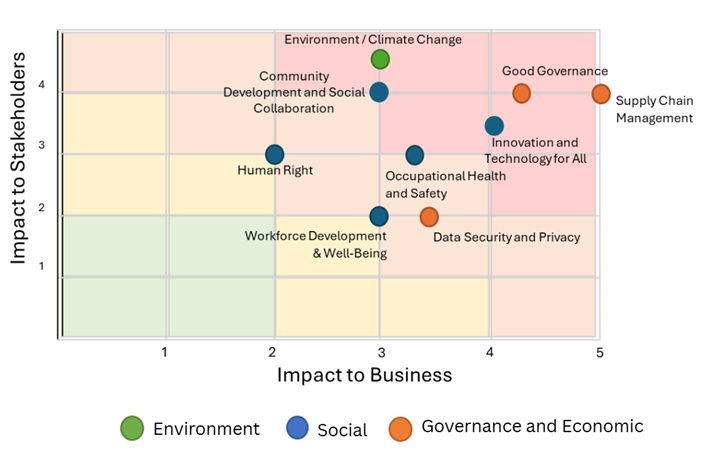
Summary of the prioritization of sustainability issues in each dimension.
1 Supply Chain Management
2 Corporate Governance
3 Environmental Management and Climate Change
4 Employee Development and Well-being
5 Participatory Community and Social Development
6 Innovation and Technology for All
7 Respect for Human Rights
8 Occupational Health and Safety Management
9 Data Security and Privacy
Based on the prioritization of these issues, the Company has utilized the assessment results to develop strategies and define appropriate activities to align with ESG goals and key issues across all dimensions, and to meet stakeholder expectations for sustainable operations.
|
Materiality Topics |
Responding to material sustainability issues |
Related Goals 2025 |
|
Supply Chain Management |
|
100% of key partners undergo sustainability assessment. |
|
Good Governance |
|
Zero complaints from business ethics violations |
|
Innovation and Technology for All |
|
Received at least 3 awards for promoting the adoption of technology |
|
Environment / Climate Change |
|
Carbon Neutrality by 2050 |
[
Stakeholder Analysis
| Stakeholder Type | Stakeholders | Stakeholder Expectations | Response to Expectations | Communication Activities |
|---|---|---|---|---|
| External stakeholders | 2900 · Description: Business partners | Adherence to sound frameworks and agreements Free, transparent, and equitable business competition | Conduct business with transparency and fair competition. | 2941 · Description: Online Communication · 2947 · Description: Satisfaction Survey · 2949 · Other name: Communication through various media · Description: Others |
| External stakeholders | 2923 · Description: Customers | High-quality products and services Timely delivery of goods Convenience in ordering products Products that meet specific needs Accurate and effective communication of information Fair and equitable adherence to agreements | Brand loyalty for the company's distributed products Increase market share Continuous sales growth Implement sales promotion programs | 2941 · Description: Online Communication · 2948 · Description: Training / Seminar · 2949 · Other name: Organizing customer relationship-building seminars · Description: Others · 2949 · Other name: Meeting with customers · Description: Others · 2949 · Other name: Continuous public relations of company news through various media · Description: Others · 2949 · Other name: Satisfaction Survey · Description: Others · 2949 · Other name: Organizing activities with customers · Description: Others · 2949 · Other name: Consultation and Feedback · Description: Others |
| Internal stakeholders | 2921 · Description: Employees | Promotion to higher positions Provision of appropriate welfare benefits Workplace hygiene and facilities Equality of opportunity and advancement Training and development of knowledge and skills | Fair compensation, job security, organizational reputation, fostering unity and engagement among personnel, confidence, full dedication to work, pride in the organization | 2946 · Description: Employee Engagement Survey · 2948 · Description: Training / Seminar · 2949 · Other name: Annual Employee Meeting · Description: Others · 2949 · Other name: Employee Orientation · Description: Others · 2949 · Other name: Engagement Activities · Description: Others · 2949 · Other name: Consultation and Feedback · Description: Others · 2949 · Other name: Convenient communication channels · Description: Others |
| External stakeholders | 2904 · Description: Investors or investment institutions · 2913 · Description: Shareholders | Financial performance has grown continuously. The enterprise has a stable financial position. Operations have a clear long-term business plan. Business operations are in line with objectives. Good corporate governance. | Dividends Capital Gains Good and consistent investment returns Ownership (Shareholding) | 2938 · Description: Visit · 2944 · Description: Annual General Meeting (AGM) · 2949 · Other name: Analyst Meeting · Description: Others · 2949 · Other name: Listed Company Meets Investors Event · Description: Others · 2949 · Other name: Preparation of Sustainability Report · Description: Others · 2949 · Other name: Preparation of Annual Report · Description: Others · 2949 · Other name: Quarterly Performance Report · Description: Others |
| External stakeholders | 2902 · Description: Community · 2928 · Description: Society | Contributing to community development. Promoting local livelihoods. Fostering harmonious coexistence and a good quality of life. Participating in the environmental and safety stewardship of the community. Building mutual understanding and harmony. | Maintain good mutual relations. Provide good mutual assistance and cooperation. Help build a positive image for the organization to be widely recognized. Provide cooperation in various activities or projects organized by the organization. | 2945 · Description: Complaint Reception · 2949 · Other name: Community Engagement Activities · Description: Others · 2949 · Other name: Joint Meeting Organization · Description: Others · 2949 · Other name: Receiving Feedback and Suggestions · Description: Others |
| External stakeholders | 2894 · Description: Creditor | Compliance with the terms and conditions of the contract Transparency in business operations | Strictly adhere to the terms and conditions of the contract. | 2941 · Description: Online Communication · 2949 · Other name: Annual Report · Description: Others · 2949 · Other name: Consultation Meeting · Description: Others · 2949 · Other name: Publicizing company news through various media · Description: Others |
| External stakeholders | 2931 · Description: Government agencies and Regulators | Legal Compliance Social and Environmental Responsibility | Comply with all relevant laws, regulations, and rules pertaining to business operations accurately, transparently, and strictly. Provide accurate and prompt clarification of information to regulatory government agencies. Cooperate in activities or projects organized by various government agencies. | 2938 · Description: Visit · 2949 · Other name: Preparation of Sustainability Report · Description: Others · 2949 · Other name: Preparation of Annual Report · Description: Others |
Environmental Sustainability — Overview
Operating Results — Introduction
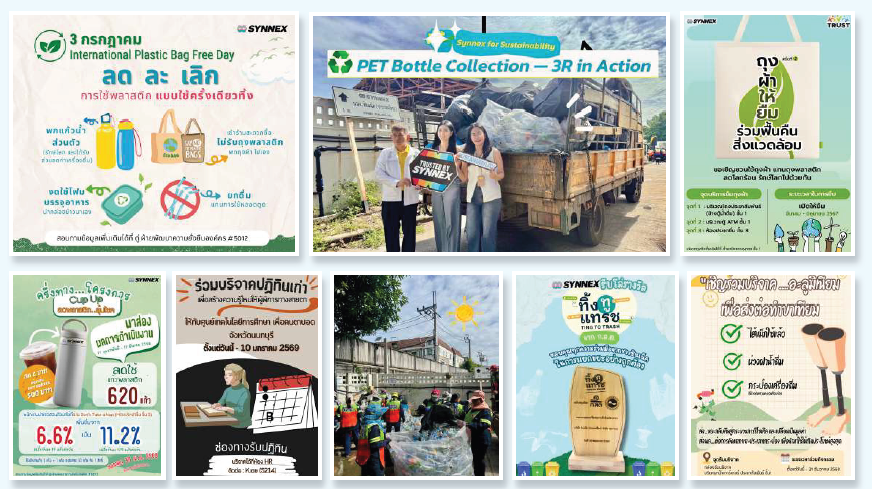
Overview of Key Environmental Projects
-
Project for Establishing an ISO14001: 2015 Environmental Management System
-
Project to Support Greenhouse Gas Reduction Activities (Low Emission Support Scheme)
-
Energy Management and Conservation Project
-
Project for Waste Separation Before Disposal
-
Project to Campaign for Employees to Conserve Water, Electricity, and Paper to Contribute to Global and Environmental Preservation
-
"Dispose Correctly with Trusted By Synnex EWaste" Project
-
Project for Reusing Paper Cartons to Reduce Warehouse Waste
-
Project "Our Old Calendar Request": Donate unused calendars to the Educational Technology Center for the Blind, Foundation for the Blind in Thailand under the Royal Patronage of Her Majesty the Queen, Nonthaburi Province
-
Project for Installing a Solar Power Generation System (Solar Rooftop)
-
Project for Donating Used Plastic Bottles to Lat Phrao District Office for the Production of "Fluorescent Sweeper Uniforms" and for a Collective Merit-Making Ceremony
-
Green Technology Training Activity
-
Provision of Employee Shuttle Van Service to Reduce Greenhouse Gas Emissions from Private Vehicles
-
Provision of Electric Vehicle Charging Stations for Company Personnel
-
Provision of a "Borrow a Cloth Bag, Join in Restoring the Environment" Service
-
"Cup Up" Activity: Reduce Plastic, Win Prizes
Environmental Policy & Guidelines
Has an Environmental Policy
Yes
Policy Description
Environmental Management Policy
The Company is committed to conducting business with consideration for economic, social, and environmental balance for sustainable growth, by clearly defining policies, goals, and assigning environmental responsibilities at all levels of the organization.
The Company prioritizes
-
Efficient energy consumption and promotion of alternative energy use.
-
Efficient and appropriate water resource management.
-
Reducing waste and refuse, while promoting reuse and recycling.
-
Reducing greenhouse gas emissions and environmental impacts throughout the value chain.
The Company will implement concrete environmental projects and activities, alongside fostering awareness and a sense of environmental responsibility among employees and relevant stakeholders, and promoting participation from all sectors, to ensure business operations are stable, transparent, and sustainable. This policy will be reviewed once a year or when significant changes occur, to align with the business context, relevant laws and practices, and the continuous development of the organization.
Policy Document Link
https://www.synnex.co.th/th/Components/ESG/ConductAndSocialResponsibility
Environmental Guidelines
| Guideline |
|---|
| Electricity Management |
| Fuel Management |
| Renewable/Clean Energy Management |
| Water Management |
| Waste Management |
| Greenhouse Gas and Climate Change Management |
| Air Quality Management |
Environmental Policy Review
Policy Reviewed This Year
No
Energy — Plan & Guidelines
Has an Energy Management Plan
Yes
Plan Description
Energy Management
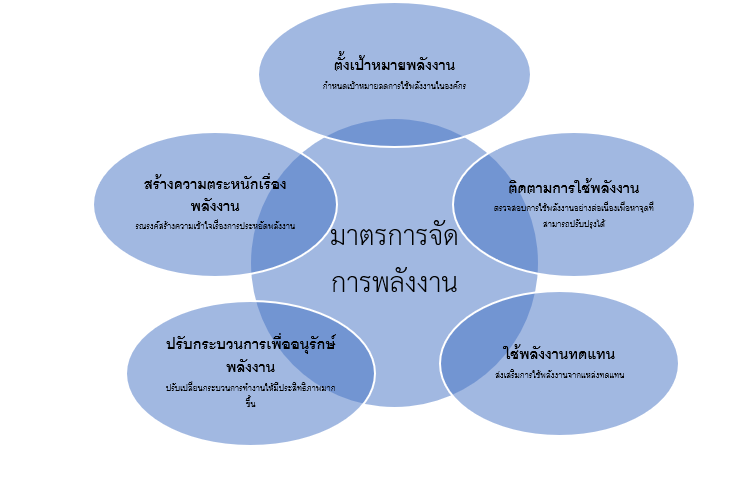
The Company remains committed to promoting efficient and sustainable energy use by continuously managing energy in both offices and warehouses. To achieve the organization's energy management goals, the Company has analyzed activity patterns and energy consumption behaviors to identify areas or processes with high electricity consumption and establish appropriate and maximally effective energy reduction measures. The Company's energy management measures are as follows:
|
Goals |
Performance |
|
By 2030, reduce electricity consumption per person per year by 15% compared to 2021. |
Electricity consumption per person per year decreased by 4.36% compared to 2021. Electricity consumption decreased by 33,000 kWh (a decrease of 2.3%) compared to 2024. |
Energy — Electricity Consumption
Electricity Consumption
| Metric | Current Year | Previous Year | Two Years Ago |
|---|---|---|---|
| Total electricity consumption within the organization (Kilowatt-Hours) | 1,832,274 | 1,891,194 | 2,211,226 |
| Electricity purchased for consumption from non-renewable energy sources (Kilowatt-Hours) | 1,398,000 | 1,431,000 | 1,752,613 |
| Electricity purchased or generated for consumption from renewable energy sources (Kilowatt-Hours) | 434,274 | 460,194 | 458,613 |
Energy — Fuel Consumption
Fuel Consumption
| Metric | Current Year | Previous Year | Two Years Ago |
|---|---|---|---|
| Crude oil (Barrels) | 0 | 0 | 0 |
| Coal (Metric tonnes) | 0 | 0 | 0 |
| Jet fuel (Litres) | 0 | 0 | 0 |
| Diesel (Litres) | 20,207.14 | 19,335.13 | 213.4 |
| Gasoline (Litres) | 49,113.5 | 51,838.93 | 0 |
| Fuel oil (Litres) | 0 | 0 | 0 |
| Natural gas (Standard cubic feet) | 0 | 0 | 0 |
| LPG (Kilograms) | 0 | 0 | 0 |
| Steam (Metric tonnes) | 0 | 0 | 0 |
Energy — Targets
Has Set Targets
Yes
Targets
| Target | Base Year | Base Year Value | Target Year | Target Change (%) | Unit |
|---|---|---|---|---|---|
| Reduction of electricity purchased for consumption | 2,021 | 1,355,000 | 2,030 | 15 | Kilowatt-hour |
Energy — Performance & Outcomes
Has Performance Results
Yes
Performance Description
Performance and outcomes of energy management
|
Electricity consumption volume |
2025 |
2024 |
2023 |
2021 (Base year) |
|
Electricity consumption (kWh) |
1,398,000 (increased by 3.17%) |
1,431,000 (increased by 5.60%) |
1,294,000 (decreased by 5.74%) |
1,355,000 |
|
Electricity consumption per revenue
|
29.50 (decreased by 19.27%) |
33.96 (decreased by 7.07%) |
35.42 (decreased by 3.06%) |
36.54 |
|
Electricity consumption per person per year
|
1,856.62 (decreased by 4.36%) |
1,887.86 (decreased by 2.75%) |
1,735.25 (decreased by 10.41%) |
1,941.26 |
In 2025, the company's total electricity consumption was 1,398,000 kWh, an increase of 3.17% compared to 2024. However, when considering the electricity consumption per person per year, the amount of electricity consumed per person was 1,856.62 kWh per person per year, a decrease of 4.36% from the previous year, reflecting continuous improvement in energy management efficiency. Furthermore, the electricity consumption per revenue was 29.50 kWh per 1 million Baht revenue, a decrease of 19.27% compared to 2024, which demonstrates more cost-effective and efficient energy utilization.
|
Electricity generation from Solar Rooftop |
2025 |
2024 |
2023 |
2021 (Base year) |
|
Electricity generation (kW) |
434,274 |
460,194 |
458,613 |
458,734 |
|
Proportion of electricity consumption from renewable energy |
23.77 |
24.33 |
26.16 |
25.28 |
In 2025, the company generated 434,274 kWh of electricity from its Solar Rooftop system, accounting for 23.77% of total electricity consumption. Although the production volume slightly decreased from the previous year, the company continues to implement energy efficiency measures, such as improving electrical systems and air conditioners, installing high-efficiency air conditioners, setting the temperature at 25 degrees Celsius, adjusting Chiller system operating hours, replacing light bulbs with LEDs, and promoting energy-saving awareness among employees to support cost-effective and sustainable energy use.
Water — Plan & Guidelines
Has a Water Management Plan
Yes
Plan Description
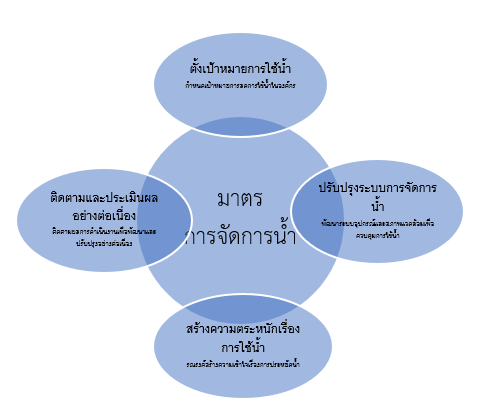
Water Management
|
Goals |
Operational Performance |
|
By 2030, reduce the proportion of water usage per person per year by 15% compared to 2021. |
The proportion of water usage per person per year decreased by 13.86% compared to 2021. Water usage decreased by 248 Units compared to 2024. |
Water — Withdrawal, Discharge & Consumption
Water Withdrawal, Discharge & Consumption
| Metric | Current Year | Previous Year | Two Years Ago |
|---|---|---|---|
| Total water withdrawal (Cubic meters) | 10,625 | 10,837 | 9,957 |
| Total water withdrawal by third-party water (Cubic meters) | |||
| Total water withdrawal by surface water (Cubic meters) | |||
| Total water withdrawal by groundwater (Cubic meters) | |||
| Total water withdrawal by seawater (Cubic meters) | |||
| Total water withdrawal by produced water (Cubic meters) | |||
| Percentage of wastewater treated before discharge (%) | 80 | 80 | 80 |
| Total water discharge (Cubic meters) | 8,500 | 8,669.6 | 7,965.6 |
| Total water discharge to third-party water (Cubic meters) | 8,500 | 8,669.6 | 7,965.6 |
| Total water discharge to surface water (Cubic meters) | 0 | 0 | 0 |
| Total water discharge to groundwater (Cubic meters) | 0 | 0 | 0 |
| Total water discharge to seawater (Cubic meters) | 0 | 0 | 0 |
| Total water consumption (Cubic meters) | 2,125 | 2,167.4 | 1,991.4 |
| Recycled water (Cubic meters) | 32 | 24 |
Water — Targets
Has Set Targets
Yes
Targets
| Target | Base Year | Base Year Value | Target Year | Target Change (%) | Unit |
|---|---|---|---|---|---|
| Reduction of water withdrawal | 2,021 | 11,436 | 2,030 | 15 | Cubic meters |
Water — Performance & Outcomes
Has Performance Results
Yes
Performance Description
In 2025, the company's total water consumption was 10,625 cubic meters, a decrease of 811 cubic meters or 7.09% from the 2021 base year. The water consumption per person per year was 14.11 cubic meters per person, a decrease of 13.86% compared to the base year. The water consumption per revenue was 0.22 cubic meters per 1 million Baht revenue, a decrease of 29.03%, reflecting continuous improvement in water management efficiency.
|
Electricity consumption |
2025 |
2024 |
2023 |
2021 (Base year) |
|
Water consumption (Cubic meters) |
10,625 (Decreased by 7.09%) |
10,837 (Decreased by 5.23%) |
9,957 (Decreased by 12.93%) |
11,436 |
|
Water consumption per revenue
|
0.22 (Decreased by 29.03%) |
0.26 (Decreased by 16.61%) |
0.27 (Decreased by 11.62%) |
0.31 |
|
Water consumption per person per year
|
14.11 (Decreased by 13.86%) |
14.30 (Decreased by 12.74%) |
13.38 (Decreased by 18.32%) |
16.38 |
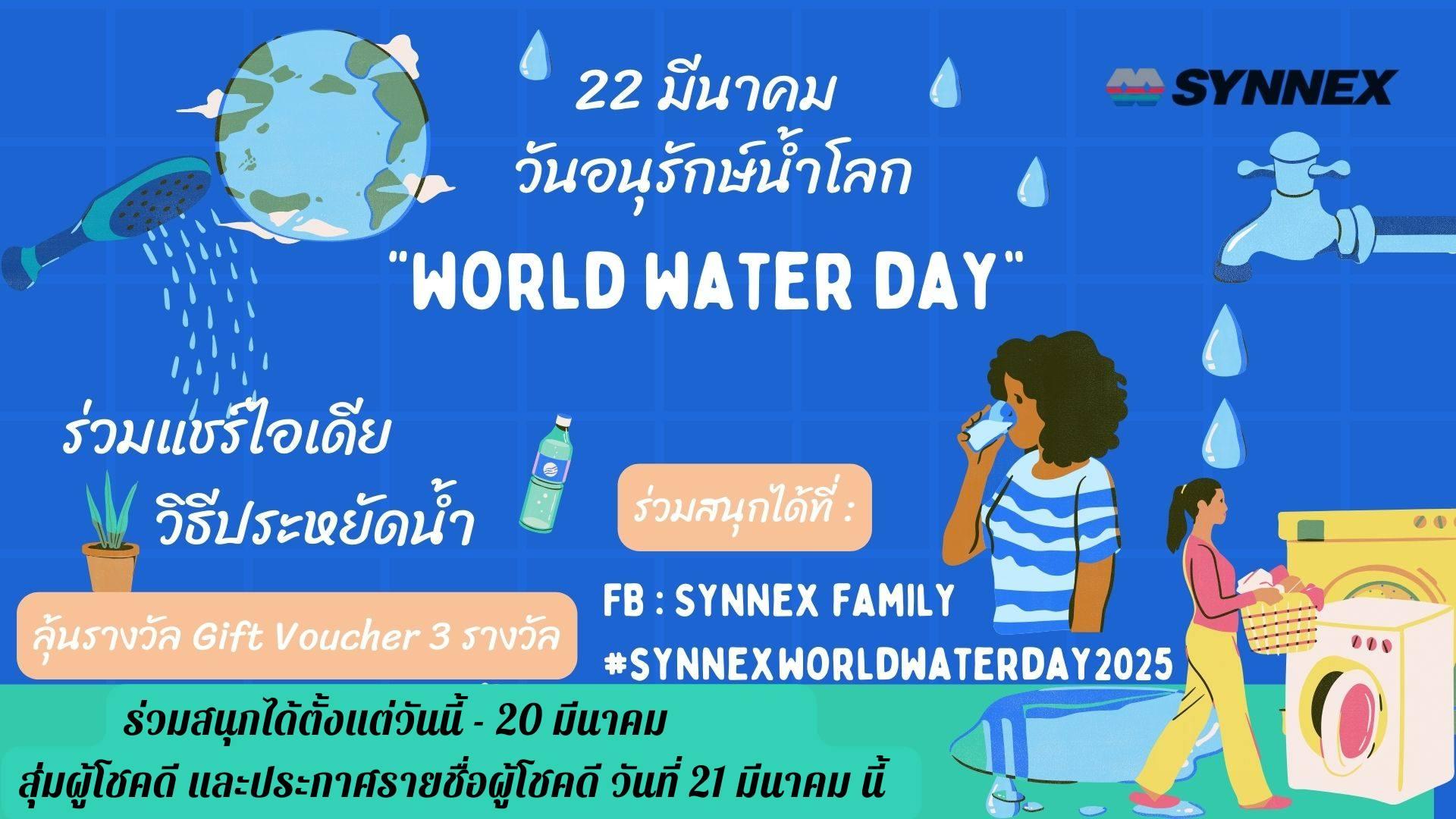
The company has implemented activities to efficiently manage water, such as renovating restrooms by installing sensor-activated faucets and urinals to reduce water consumption, regularly inspecting and maintaining the building's water supply system, and promptly repairing or replacing faulty equipment to prevent water loss. Furthermore, the company has an efficient wastewater treatment system and regularly conducts monthly wastewater quality checks by external agencies. Summary reports on the performance of the wastewater treatment system (SorPor.2) are continuously submitted to the Pollution Control Department to ensure no environmental impact. The company also consistently promotes employee participation in water conservation, which is a crucial part of driving sustainable water use.
Water reuse
The company manages wastewater from the pond in front of the company, which is cleaned twice a month. Water from the unused fountain pond is used to water plants around the building, thereby reducing water consumption by reusing wastewater.
Waste — Plan & Guidelines
Has a Waste Management Plan
Yes
Plan Description
Waste and Pollution Management
The Company systematically manages waste and by-products from its business operations in accordance with the 3R principles (Reduce, Reuse, Recycle). This is achieved by efficiently implementing waste segregation projects by type, along with raising awareness and fostering cooperation among stakeholders. The aim is to reduce the volume of waste and by-products from the Company's various activities. In 2025, the Company's waste and by-product volumes are as follows:
|
Type of Waste and By-product |
Waste volume 2024 (kilograms) |
Waste volume 2025 (kilograms) |
|
Volume of general waste |
51,059.41 |
34,426.86 |
|
Volume of Recycled Waste |
41,412 |
43,163 |
|
Volume of hazardous waste |
520 |
540 |
|
Volume of electronic waste from the Trusted By Synnex E-Waste proper disposal project |
8,983.50 |
10,240.04 |
|
Volume of electronic waste from the Trusted By Synnex E-Waste proper disposal project that is utilized further |
8,983.50 |
10,240.04 |
The Company continues to implement activities based on the 3R concept, focusing on reducing waste volume and increasing the proportion of resource utilization, such as recycling plastic and paper, donating unused items to charitable organizations, campaigning for employees to properly sort waste, as well as managing hazardous waste in accordance with legal requirements, and regularly monitoring environmental quality within the office. This is to support environmentally friendly and sustainable business operations.
Waste — Generation, Disposal & Recycling
Waste Generation, Disposal & Recycling
| Metric | Current Year | Previous Year | Two Years Ago |
|---|---|---|---|
| Total waste generated (Kilograms) | 34,966.86 | 51,579.41 | 66,085 |
| Non-hazardous waste (Kilograms) | 34,426.86 | 51,059.41 | 65,360 |
| Non-hazardous waste - Landfilling (Kilograms) | 34,426.86 | 51,059.41 | 65,360 |
| Non-hazardous waste - Incineration (with energy recovery) (Kilograms) | 0 | 0 | 0 |
| Non-hazardous waste - Incineration (without energy recovery) (Kilograms) | 0 | 0 | 0 |
| Non-hazardous waste - Other disposal operations (Kilograms) | 0 | 0 | 0 |
| Hazardous waste (Kilograms) | 540 | 520 | 725 |
| Hazardous waste - Landfilling (Kilograms) | 540 | 520 | 725 |
| Hazardous waste - Incineration (with energy recovery) (Kilograms) | 0 | 0 | 0 |
| Hazardous waste - Incineration (without energy recovery) (Kilograms) | 0 | 0 | 0 |
| Hazardous waste - Other disposal operations (Kilograms) | 0 | ||
| Total reused/recycled waste (Kilograms) | 57,690.04 | 50,395.5 | 44,762 |
| Reused/Recycled non-hazardous waste (Kilograms) | 47,450 | 41,412 | 33,553 |
| Reused non-hazardous waste (Kilograms) | 47,450 | 41,412 | 33,553 |
| Recycled non-hazardous waste (Kilograms) | 0 | 0 | 0 |
| Reused/Recycled hazardous waste (Kilograms) | 10,240.04 | 8,983.5 | 11,209 |
| Reused hazardous waste (Kilograms) | 0 | 0 | 0 |
| Recycled hazardous waste (Kilograms) | 10,240.04 | 8,983.5 | 11,209 |
Waste — Targets
Has Set Targets
No
Waste — Performance & Outcomes
Has Performance Results
Yes
Performance Description
Project Reduce Reuse Recycle
“This Bottle for Our Sweepers' Reflective Uniforms”
The company implements a project to collect used plastic bottles for delivery to Lat Phrao District Office, where they will be upcycled into reflective vests under the project "Bangkok's Magic Hands: Separate for Our Sweepers," aiming to support waste separation and create benefits for society.
Loaner Cloth Bags: Join in Restoring the Environment
Campaign to reduce plastic bag usage. The company has set up 3 service points within the office for borrowing cloth bags to promote the use of cloth bags instead of single-use plastic bags.
Old Calendar Donation Project
Inviting employees to donate unused desk calendars to be used for creating Braille media, which will be given to the Educational Technology Center for the Blind under the Foundation for the Blind in Thailand under the Royal Patronage of Her Majesty the Queen, Nonthaburi Province.
Project to Reuse Cardboard Boxes to Reduce Warehouse Waste
In 2025, the company was able to reuse 108,100 cardboard boxes, saving 1,621,500 Baht in costs and reducing greenhouse gas emissions by 76.21 tCO2e, reflecting efficient resource utilization.
Project Cup Up: Reduce Plastic, Win Prizes
Campaign encouraging employees to carry personal water cups to reduce the use of single-use plastic cups, while also creating incentives through activities promoting internal organizational participation.
GHG — Plan & Guidelines
Has a GHG Management Plan
Yes
Plan Description
Climate Change
This year, the Company continues to prioritize the management of climate change risks, which may directly and indirectly impact business operations. The Business Continuity Plan (BCP) has been reviewed and updated to align with evolving risk scenarios, with clear responsibilities assigned and periodic drills conducted to enhance preparedness for effective emergency response.
The Company continues to maintain a governance mechanism through its Sustainability Committee, comprising senior executives, responsible for setting direction, monitoring, and driving climate change initiatives in alignment with organizational strategy and international trends.
Climate Change Governance
The Company has established a systematic framework for climate change operations, spanning from the Board of Directors to operational units, to ensure that climate-related initiatives align with the Company's vision, mission, and strategy.
The Corporate Governance and Sustainability Committee plays a role in setting policies, operational frameworks, and monitoring risks related to climate change. Progress is reported and reviewed quarterly to ensure that operations align with established goals and measures.
At the operational level, the Company has appointed a Sustainability Working Team (SD Working Team) to drive plans into action, coordinate with relevant internal and external departments, and analyze and assess climate risks. Key issues are then presented to the Enterprise Risk Management (ERM) process for appropriate integration.
The Company comprehensively assesses the impacts of climate change across operational, financial, and reputational dimensions. Key factors considered include trends in greenhouse gas emission reduction, changes in legal requirements and public policies, as well as consumer expectations for a low-carbon economy.
Climate Change Risks
-
Transition Risk is the risk arising from policy, legal, technological, economic, and social adjustments in response to the transition to a low-carbon economy.
-
Physical Risk is the risk arising from the direct impacts of climate change, such as rising temperatures, extreme weather events like storms, floods, or droughts, which may affect business operations and supply chains.
|
Climate Change Risks |
Risk Response |
|
Transition Risk |
|
|
The demand for environmentally friendly solutions and products is increasing, requiring the Company to accelerate product development and research to meet market expectations. |
Develop and offer environmentally friendly products and solutions to meet customer needs and enhance competitiveness. |
|
The government promotes circular economy policies and a low-carbon society, which may lead to stricter energy consumption controls and environmental regulations. |
Regularly monitor and assess energy consumption, and implement projects supporting greenhouse gas emission reduction. |
|
Physical Risk |
|
|
The severity of weather events such as storms, floods, or heatwaves may impact facilities, transportation, and supply chains. |
Develop and review the Business Continuity Plan (BCP), and regularly assess risks in operational areas and with key partners. |
Furthermore, this year marks the first time the Company has conducted verification of its greenhouse gas emissions data, covering Scope 1, Scope 2, and Scope 3, to enhance the accuracy, transparency, and reliability of climate-related information. This serves as a crucial foundation for setting short-term and long-term greenhouse gas reduction targets and strategies, supporting environmental impact reduction and sustainable growth.
|
Long-term targets |
Performance |
|
Carbon Neutrality by 2050 compared to 2021. |
Overall Scope 1, 2, and 3 greenhouse gas emissions totaled 36,884 tonCO2-eq. The Company has designated 2025 data as the base year to align with business growth and expansion. |
|
Short-term targets |
Performance |
|
Reduce greenhouse gas emissions by 50% by 2030 compared to 2021. |
Overall Scope 1 and 2 greenhouse gas emissions decreased by 60 tonCO2-eq compared to 2024. The Company conducted its first assessment and certification of its Corporate Carbon Footprint (CFO), including verification and registration of data with the Thailand Greenhouse Gas Management Organization (TGO). |
Greenhouse Gas Management
In 2025, the Company fully assessed its organizational greenhouse gas emissions and removals, covering Scope 1, Scope 2, and Scope 3. This year marks the first time the Company has undergone verification of its greenhouse gas emissions data to enhance the accuracy, transparency, and reliability of climate-related information.
For calculations, the Company uses the calculation methodology and greenhouse gas emission factors (Emission Factor) in accordance with the criteria of the Thailand Greenhouse Gas Management Organization (Public Organization). The scope of assessment covers both direct and indirect greenhouse gas emissions related to the operations of the Company's head office and warehouses. The activity data used for assessment includes the following related activities:
|
Scope 1: Direct greenhouse gas emissions and removals |
Scope 2: Indirect greenhouse gas emissions and removals from energy consumption |
Scope 3: Other indirect greenhouse gas emissions and removals |
|
|
|
GHG — Emissions
GHG Emissions
| Metric | Current Year | Previous Year | Two Years Ago |
|---|---|---|---|
| Total GHG emissions (Metric tonnes of carbon dioxide equivalent) | 36,873 | 1,135 | 641.18 |
| Total greenhouse gas emissions 1 (Metric tonnes of carbon dioxide equivalent) | 180 | 189 | 2.04 |
| Total greenhouse gas emissions 2 (Metric tonnes of carbon dioxide equivalent) | 665 | 716 | 617.23 |
| Total greenhouse gas emissions 3 (Metric tonnes of carbon dioxide equivalent) | 36,028 | 230 | 21.91 |
GHG — Emissions Verification
Emissions Verified by a Third Party
Yes
Verifying Body
2650
Verification Document Link
https://eonemedia.setlink.set.or.th/report/0981/2025/1774395065596.pdf
GHG — Principles & Standards
Principles & Standards Applied
| Standard |
|---|
| 2671 |
| 2672 |
GHG — Targets
Has Set GHG Targets
Yes
GHG Targets — Carbon Neutrality
Carbon Neutrality Targets
| Emission Scope | Carbon Neutrality Certified | Base Year | Base Year Emissions | Target Year | Unit |
|---|---|---|---|---|---|
| 2716 | N | 2,025 | 36,884 | 2,050 | Metric tonnes of carbon dioxide equivalent |
GHG Targets — Other Targets
Other GHG Targets
| Emission Scope | Base Year | Base Year Emissions | Near-term Target Year | Near-term Target Value | Near-term Target Change (%) | Target Year | Target Year Emissions | Target Change (%) | Unit |
|---|---|---|---|---|---|---|---|---|---|
| 2716 | 2,025 | 36,884 | 2,030 | 18,442 | 50 | 2,030 | 18,442 | 50 | Metric tonnes of carbon dioxide equivalent |
GHG — Performance & Outcomes
Has Performance Results
Yes
Performance Description
Performance and results of greenhouse gas management
In 2025, the company's total greenhouse gas emissions and absorption amounted to 36,884 tons of carbon dioxide equivalent (tCO2e). This year is considered the base year for setting targets and monitoring the organization's greenhouse gas emission reduction efforts in the next phase, as it is the first year the company has fully assessed and verified data covering Scope 1, Scope 2, and Scope 3. The establishment of this new base year ensures that future monitoring is consistent, transparent, and more effectively comparable. The company will use 2025 data as a reference point for setting both short-term and long-term greenhouse gas emission reduction measures and targets.
|
Item |
2025 [1] (New base year) |
2021 (Original base year) |
|
Total greenhouse gas emissions and absorption (tonCO2-eq) |
36,884 |
526 |
|
Greenhouse gas emissions and absorption per revenue (tonCO2-eq per 1 million Baht revenue) |
0.778 |
0.014 |
|
Greenhouse gas emissions and absorption per person
|
45.64 |
0.75 |
[1] In 2024, there were changes in the scope and methodology for calculating greenhouse gas emissions in Scope 1 and 3.
Projects and activities related to greenhouse gas emission reduction
The company has participated in the Low Emission Support Scheme (LESS), which is part of the organizational greenhouse gas reduction mechanism by the Greenhouse Gas Management Organization (Public Organization), for the fourth consecutive year. The company's greenhouse gas reduction efforts from a total of 4 activities were evaluated, including electricity generation, energy consumption reduction, air conditioner installation, and waste separation for recycling, resulting in a reduction of 473.55 tons of carbon dioxide equivalent.
-
Solar power generation system installation project ( Solar Rooftop )
The company has been implementing the Solar Rooftop project since 2021 and continues to do so, with the objective of reducing energy consumption and greenhouse gas emissions, as well as meeting the company's long-term goal of achieving carbon neutrality by 2050.
Project performance Solar Rooftop in 2025
|
Total electricity generation 434,274 kW |
Reduce greenhouse gas emissions 2 17 tonCO2-eq |
Equivalent to absorption CO2 from trees 2 4,121 trees/year |

-
Campaign project to reduce resource consumption and greenhouse gas emissions
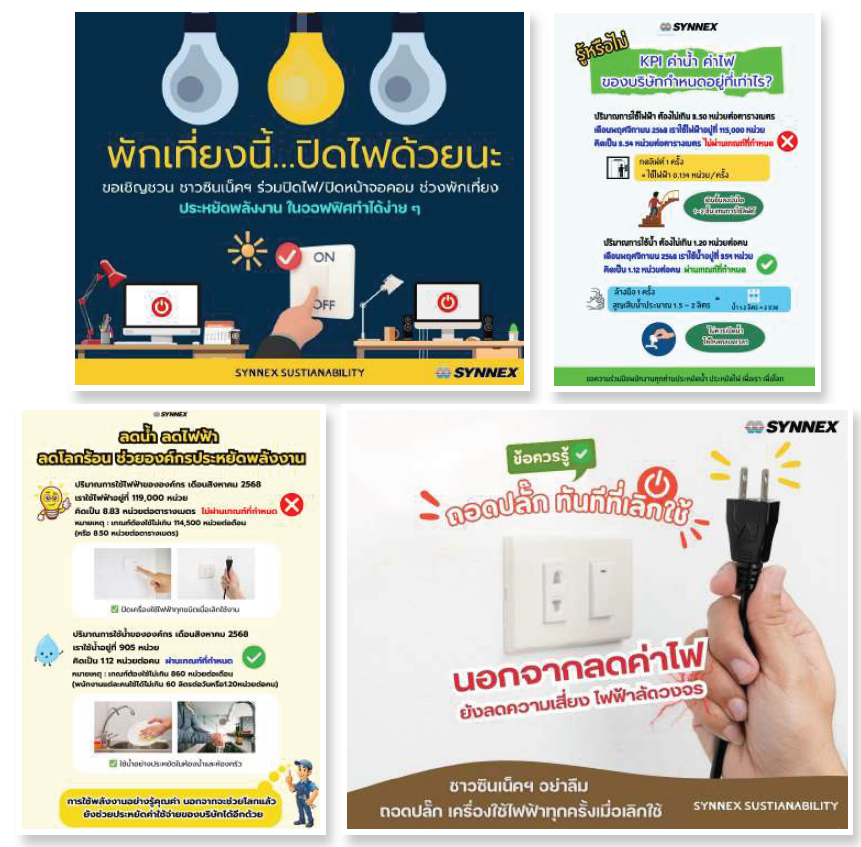
The company has established environmental KPIs in accordance with the Environmental Management System standard (ISO 14001: 2015), which includes monitoring monthly water, electricity, and paper consumption, as well as continuously campaigning for efficient resource utilization and greenhouse gas emission reduction.
-
Training activities in green technology
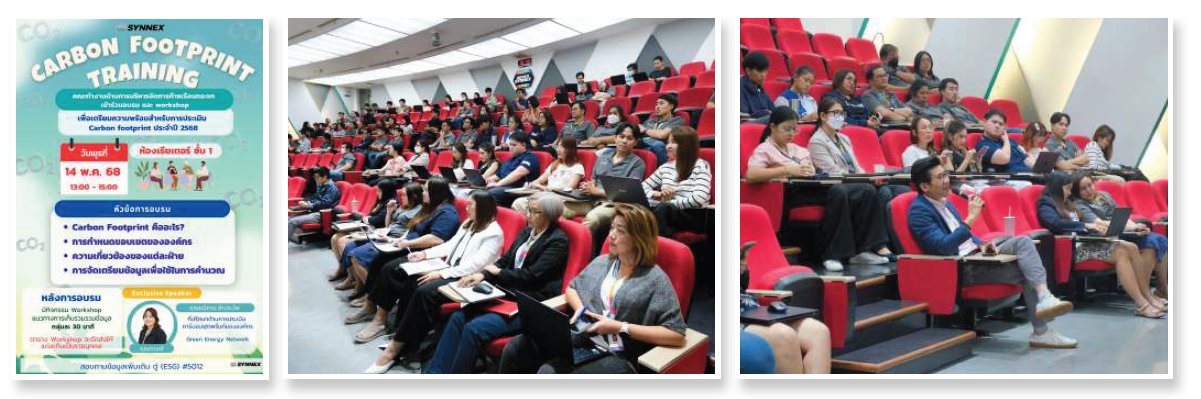
In 2025, the company organized training activities to educate employees on technologies related to mitigating the impacts of climate change. The aim was to support sustainable operations and build employee knowledge to enable them to support the company's operations and create lasting benefits for society and customers, such as Carbon Footprint Training 2025 and climate change training for new employees.
Environmental Legal Incidents
Legal Violation Incidents
| Metric | Current Year | Previous Year | Two Years Ago |
|---|---|---|---|
| Number of cases or incidents of legal violations or negative environmental impact (cases) | 0 | 0 | 0 |
Other Environmental Management
Plan Description
E-Waste Management (E-Waste)
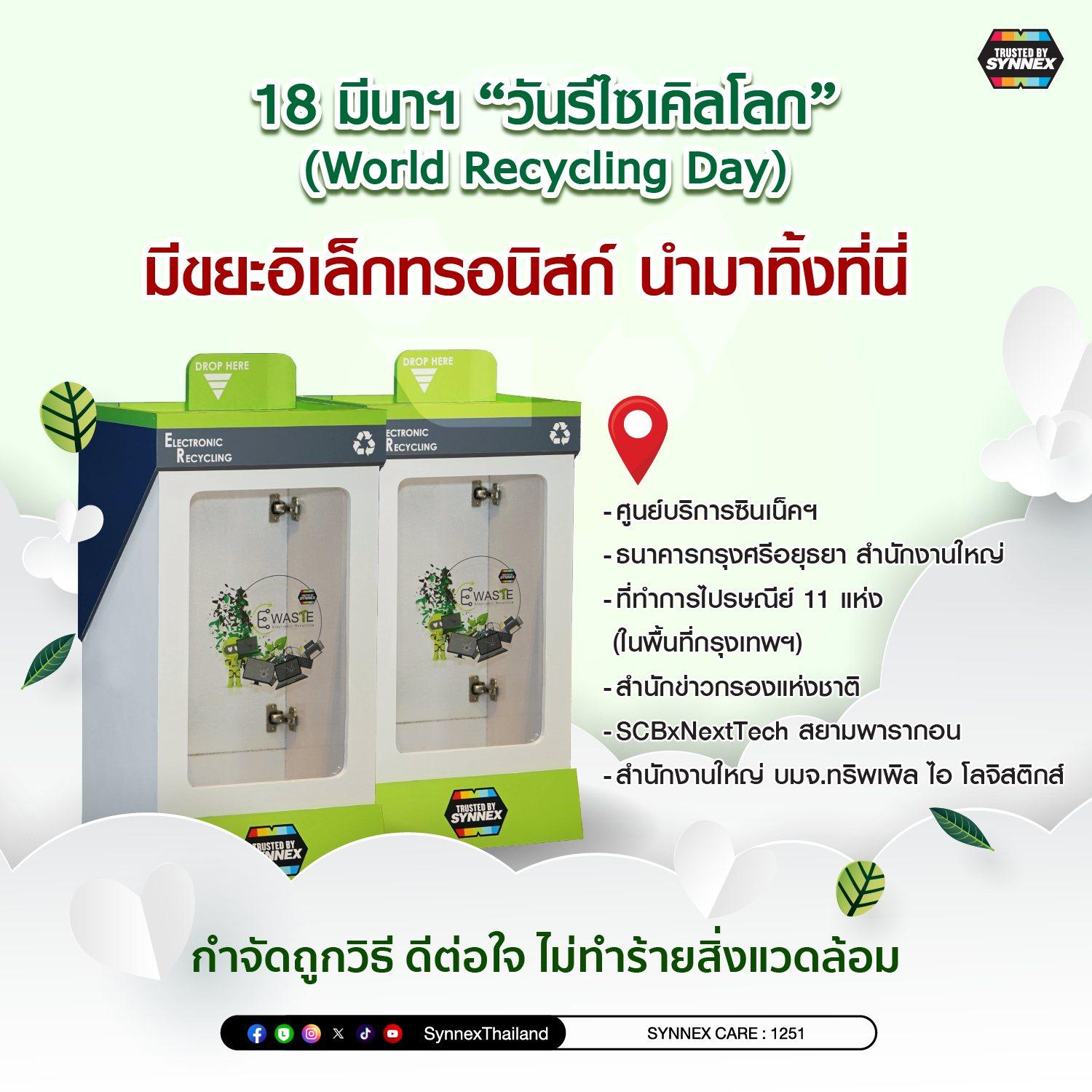
Currently, electronic waste (E-Waste) continues to be a growing problem with significant environmental impacts. The company recognizes the importance of proper e-waste management and has therefore launched the "Dispose Correctly with Trusted By Synnex E-Waste" project. This initiative aims to raise awareness and provide opportunities for customers and the public to participate in reducing pollution caused by improper e-waste disposal. The company has established "E-Waste Recycling Bin" drop-off points in the Bangkok metropolitan area to facilitate the proper disposal of unused electronic devices such as mobile phones, computer components, and IT equipment, before they are sent for disposal and recycling processes that meet environmentally safe standards.
In 2025, the project successfully collected 10,240.04 kilograms of e-waste, bringing the total accumulated e-waste under the project to 56,513.06 kilograms. This reflects increased cooperation from customers and stakeholders in responsible E-Waste management.
Social Sustainability — Overview
Operating Results — Introduction
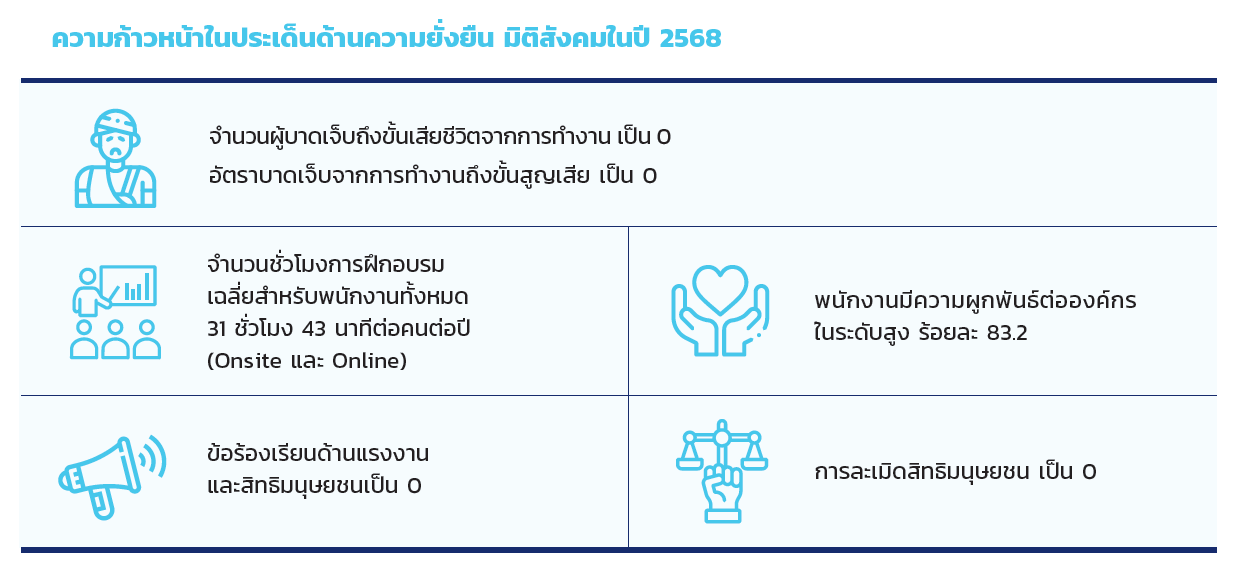
Significant social performance results for 2025
|
Number of work-related fatalities: 0 Lost-time injury rate: 0 |
|
Average training hours for all employees: 31 hours 43 minutes per person per year (Onsite and Online) |
|
High employee engagement: 83.2% |
|
Labor and human rights complaints: 0 |
|
Human rights violations: 0 |
Social Policy & Guidelines
Has a Social Policy
Yes
Policy Description
Social Policy and Operations
The Company continues to drive its business in conjunction with social responsibility, adhering to the principle of creating shared value between the organization and its stakeholders. Recognizing that a strong society is a crucial foundation for sustainable business growth, the Company aims to enhance the quality of life for all stakeholder groups through transparent, ethical operations that respect human dignity. The Company promotes equal treatment, non-discrimination, supports human rights principles, and is committed to combating all forms of corruption. Furthermore, it emphasizes comprehensive stakeholder engagement to ensure balanced and fair business operations.
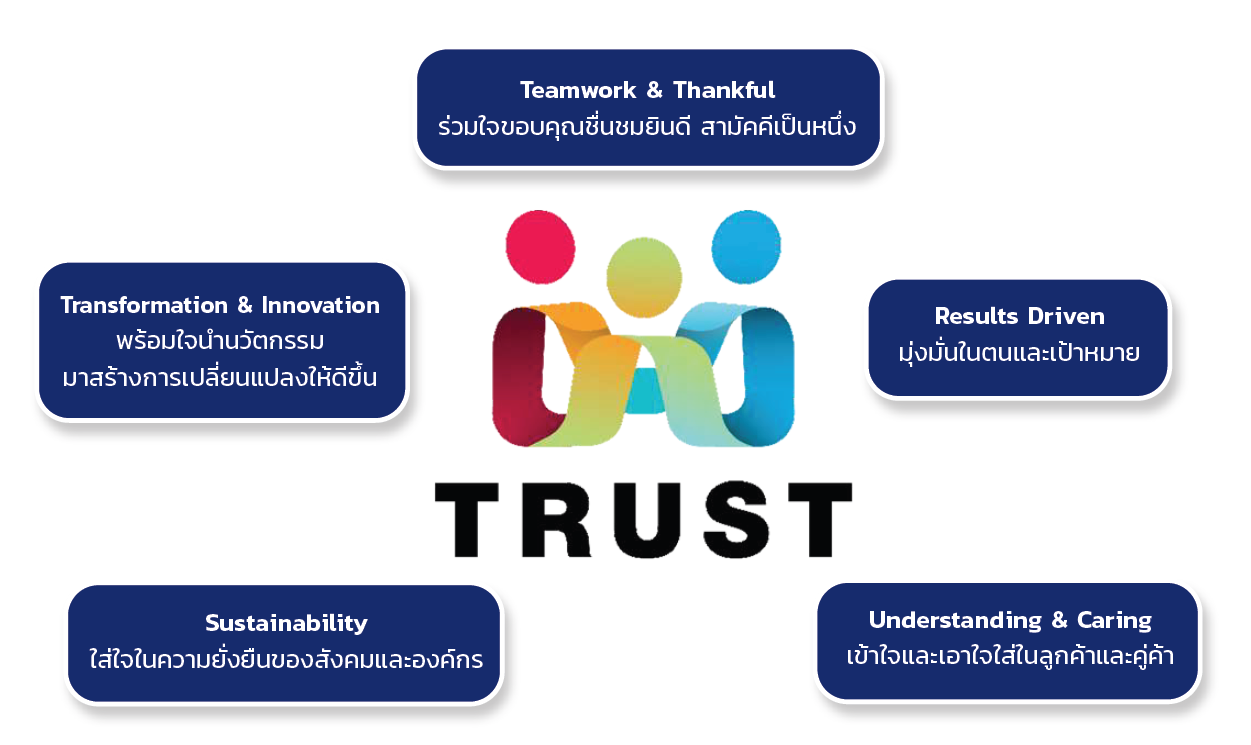
In addition, the Company has established its organizational values, “TRUST,” to strengthen its corporate culture and develop employee potential, reflecting the five expected characteristics as follows:
Teamwork & Thankful
• United in gratitude and appreciation, and unified.
Results Driven
• Dedicated to self-improvement and achieving goals.
Understanding & Caring
• Understanding and caring for customers and partners.
Sustainability
• Mindful of the sustainability of society and the organization.
Transformation & Innovation
• United in bringing innovation to create positive change.
Policy Document Link
https://www.synnex.co.th/Th/Components/Ir/IrCompanyConducting
Social Guidelines
| Guideline |
|---|
| Employee Rights |
| Child Labor |
| Consumer Rights |
| Community and Environment Rights |
| Safety and Occupational Health at Work |
| Non-discrimination |
| Business Partner Rights |
Employees — Plan & Guidelines
Has an Employee Management Plan
Yes
Plan Description
The company has established a business code of conduct that encompasses respect for human rights, socially responsible operations, and non-discrimination in all forms, without distinction based on race, gender, religion, age, education, or any other factor, to create equal opportunities in employment and work performance in accordance with human rights principles.
The company prioritizes fair treatment of labor alongside equitable care for employees at all levels. It aims to create a suitable and safe working environment and promote a good quality of life, encompassing welfare, well-being, and work-life balance, to enable employees to perform at their full potential and grow with the organization. These principles have been applied since the recruitment and hiring process, with consideration given primarily to qualifications, abilities, and alignment with organizational values. In 2025, the company did not receive any complaints or tips related to human rights issues arising from its business operations.
|
Number (persons) |
Female |
Male |
|
|
Total number of permanent employees[PS1] |
776 |
442 |
334 |
|
Average length of service 8.4 years |
|||
|
Average employee age 38 years |
|||
|
The company has employed a total of 9 persons with disabilities (1 permanent employee and 8 contract employees), in accordance with the proportion stipulated by Section 33 of the Persons with Disabilities Empowerment and Development Act B.E. 2550 (2007). |
||||
|
Number of employees Persons with disabilities |
Number |
Female |
Male |
|
|
Permanent employees |
1 |
0 |
1 |
|
|
Contract employees |
8 |
4 |
4 |
|
|
Budget for supporting the employment of persons with disabilities amounted to 1,361,574.00 Baht, with social security contributions of 20,646 Baht. |
||||
Note: This data pertains to Synnex (Thailand) Public Company Limited and its subsidiary, Service Point Company Limited.
Furthermore, the company promotes educational opportunities and professional skill development by accepting students from vocational and higher education institutions nationwide to participate in internship programs. This allows them to gain real-world work experience, enhance skills relevant to their chosen career paths, and prepare for future employment, while also receiving compensation during their internships.
In 2025, there were 41 participants in the internship program, and the company allocated a budget of 474,050 Baht to support the project.
Plan Document Link
https://www.synnex.co.th/Th/Components/Ir/IrCompanyConducting
Plan Areas
| Plan Area |
|---|
| Fair employee compensation |
| Employee training and development |
| Promoting employee relations and participation |
| Migrant/foreign labor |
| Child labor |
| Occupational health and safety in workplace |
Employees — Workforce
Workforce Data
| Metric | Current Year | Previous Year | Two Years Ago |
|---|---|---|---|
| Total number of employees (Persons) | 795 | 758 | 734 |
| Number of male employees (Persons) | 344 | 336 | 346 |
| Number of female employees (Persons) | 451 | 422 | 388 |
| Total employment of disabled persons (people) | 9 | 9 | 9 |
| Total disabled employees (people) | 9 | 8 | 8 |
| Total male disabled employees (people) | 4 | 4 | |
| Total female disabled employees (people) | 5 | 4 | |
| Total disabled workers who are non-employee (people) | 1 | 1 | |
| Contributions to the fund for promoting and improving the quality of life for disabled persons | 1 | 0 | 0 |
| Total number of male employees in operational level (Persons) | 329 | 307 | 306 |
| Total number of male employees in management level (Persons) | 13 | 27 | 38 |
| Total number of male employees in executive level (Persons) | 2 | 2 | 2 |
| Total number of female employees in operational level (Persons) | 443 | 393 | 352 |
| Total number of female employees in management level (Persons) | 7 | 28 | 35 |
| Total number of female employees in executive level (Persons) | 1 | 1 | 1 |
Employees — Remuneration & Provident Fund
Remuneration & Provident Fund
| Metric | Current Year | Previous Year | Two Years Ago |
|---|---|---|---|
| Total disabled employees (people) | 459,100,141.71 | 506,676,689 | 488,874,635 |
| Total male employee remuneration (Baht) | 204,044,507.51 | 266,648,021 | 226,793,575 |
| Total female employee remuneration (Baht) | 255,055,634.2 | 240,028,668 | 262,081,060 |
| Number of employees eligible to participate in PVD (persons) | 576 | 758 | 702 |
| Total number of employees joining employee provident fund (Persons) | 576 | 758 | 702 |
| Percentage of total number of employees joining employee provident fund to total number of employees (%) | 72.45 | 100 | 95.64 |
| Number of PVD members / Total eligible employees (%) | 100 | 100 | 100 |
| Total amount of provident fund contributed by the Company (Baht) | 10,076,767 | 19,555,900 | 24,641,068.65 |
| Total amount of provident fund contributed by employee (baht) |
Employees — Training & Development
Training Data
| Metric | Current Year | Previous Year | Two Years Ago |
|---|---|---|---|
| Average employee training hours (Hours / Person / Year) | 31.43 | 17.7 | 16 |
| Employee development and training expenses (baht) | 1,040,249.36 |
Employees — Occupational Health & Safety
Occupational Health & Safety Data
| Metric | Current Year | Previous Year | Two Years Ago |
|---|---|---|---|
| Total number of lost time injury incidents by employees (Cases) | 0 | 0 | 0 |
Employees — Labour Relations
Labour Relations Data
| Metric | Current Year | Previous Year | Two Years Ago |
|---|---|---|---|
| Total voluntary resignations (Persons) | 171 | 173 | 180 |
| Male employees who voluntary resigned (Persons) | 84 | 85 | 88 |
| Female employees who voluntary resigned (Persons) | 87 | 88 | 92 |
| Percentage of employee turnover leaving the Company voluntarily (%) | 21.51 | 22.82 | 24.52 |
| Evaluation result of employee engagement | 1 | 1 | 1 |
Employees — Employee Representation
Employees Are Represented Collectively
Yes
Forms of Representation
| Form | Other — Please Specify |
|---|---|
| Welfare committee | |
| Others | Occupational Safety, Health, and Work Environment Committee |
Employees — Targets
Has Set Employee Targets
Yes
Targets
| Indicator | Target Areas | Target Year | Target Year — Description |
|---|---|---|---|
| Average hours for employee potential development and training are not less than 16 hours per person per year. | 2984 · Description: Employee training and development | 2,025 | Average hours for employee potential development and training are not less than 16 hours per person per year. |
| More than 80% of employees are highly engaged with the organization. | 2985 · Description: Promoting employee relations and participation | 2,025 | More than 80% of employees are highly engaged with the organization. |
| Human rights violations: 0 cases | 2986 · Description: Migrant/foreign labor · 2987 · Description: Child labor · 2989 · Description: Non-discrimination | 2,025 | Human rights violations: 0 cases |
| Zero labor complaints | 2983 · Description: Fair employee compensation · 2989 · Description: Non-discrimination | 2,025 | Zero labor complaints |
| Zero accidents | 2988 · Description: Safety and occupational health at work | 2,025 | Zero accidents |
Employees — Performance & Outcomes
Has Performance Results
Yes
Performance Description
Development and Care for Employees' Quality of Life.
The company places importance on employees as a vital force of the organization, thus systematically managing and developing human resources based on human rights principles and in alignment with continuously changing contexts. It promotes an open, transparent, and efficient work culture. The company aims to develop employee potential alongside improving their quality of life, encompassing work environment, welfare, and work-life balance, to ensure that employees at all levels receive appropriate and equitable care, are ready to grow in their careers, and contribute to driving the organization sustainably.
Benefit
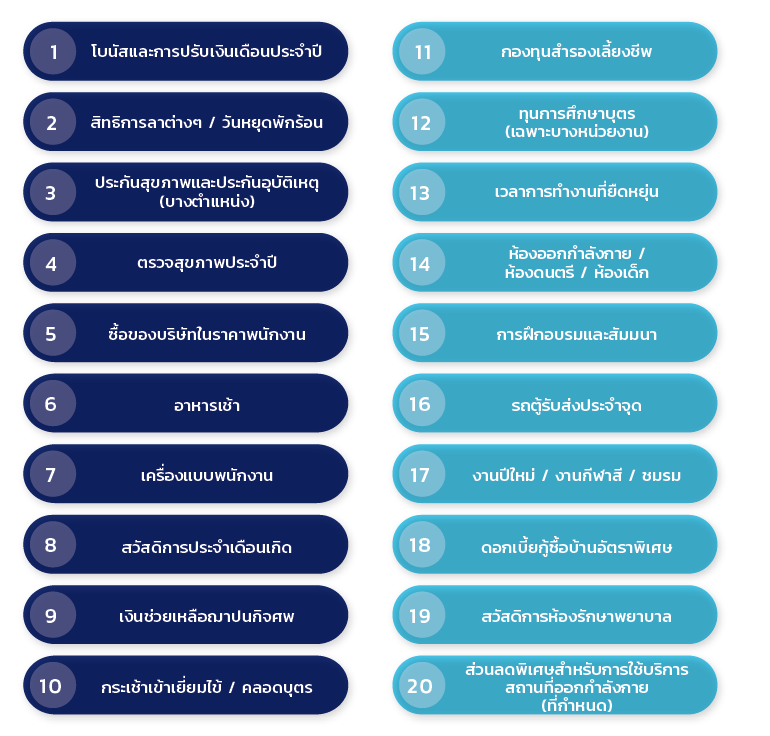
Furthermore, the company promotes employee engagement with the organization and supports happiness and work-life balance under the "Happy Workplace" concept. In 2025, the following projects and activities were implemented:
Happy Body : Promoting employees' physical health by providing a fitness room, health promotion activities with prizes, BMI measurement, health consultations by experts, and massage therapy services for office syndrome, which also supports the employment of visually impaired individuals.
Happy Heart: Organizing activities to foster a friendly atmosphere within the organization, such as Valentine's Day activities, to provide a space for employees to share positive feelings with each other, and to gather feedback on diversity and gender equality policies.
Happy Society: Promoting engagement with society and communities, such as donating computers and IT equipment for education, along with providing training to educational institutions in nearby areas, expanding E-Waste collection points in collaboration with the National Intelligence Agency, Siam Paragon, and other educational institutions, as well as organizing quarterly blood donation drives at the head office.
Happy Relax: Recreational activities are organized throughout the year for various important festivals, such as New Year's parties, Songkran, Mother's Day, Environment Day, Halloween, Loy Krathong, and Christmas, including monthly birthday celebrations, and spaces are provided for relaxation activities to foster good relationships within the organization.
Happy Brain: Supporting the development of both Soft Skills and Hard Skills through internal training and inviting expert speakers to share knowledge, thereby enhancing potential, innovative thinking, and work efficiency.
Happy Soul: Organizing the annual merit-making activity in 2025 and participating in preserving traditions on important religious days to promote spiritual values and organizational culture.
Happy Money: Organizing educational activities on financial planning, risk management for financial stability, knowledge of investment-linked insurance, and family financial management to foster financial discipline among employees.
Happy Family: Operating scholarship programs for employees' children at primary and secondary education levels.
Flexible Working Hours Project.
8.00 – 17.30 | 8.30 – 18.00 | 9.00 – 18.30 |
Employee Training and Potential Development.
The company continuously aims to enhance employee capabilities by developing annual plans aligned with organizational goals and the needs of each department (Training Needs), covering both professional skills (Hard Skills) and behavioral and collaborative skills (Soft Skills) to comprehensively strengthen potential at all levels. Learning development is conducted through diverse and flexible formats, including lecture-based training, online seminars (Virtual Classroom), e-Learning courses, practical training (Workshop), and on-the-job training, to ensure employees can access knowledge conveniently and in a manner suitable for their individual learning styles.
Concurrently, the company emphasizes building future skills, particularly digital skills, analytical thinking, and innovation, to adapt to changes in the business environment. This is coupled with instilling the TRUST corporate values as behaviors reflected in daily work, which are crucial foundations for driving the organization towards sustainable growth.
Personnel Development Courses.
The company has established a systematic framework for employee potential development, covering all stages of career growth, as follows:
Foundational Development
Aiming to enhance employee readiness from the start of their employment through onboarding processes, learning organizational culture, functional training, and product and service knowledge, to enable them to perform their duties confidently and efficiently.
Core Skills Development
Enhancing essential skills required for work at all levels, such as effective communication, use of basic business tools (e.g., Excel, PowerPoint), and English language skills, to support collaboration and increase daily operational efficiency.
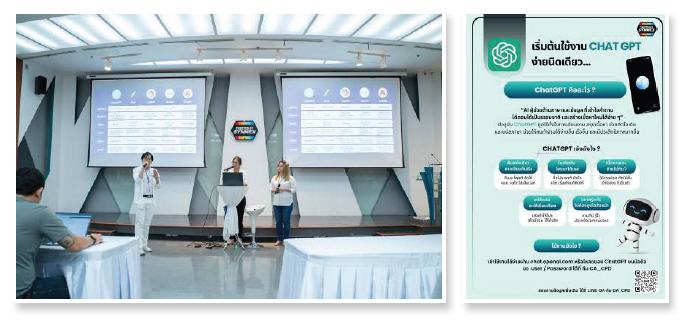
Advanced Skills & Specialist Training
Developing in-depth knowledge in each field, such as negotiation, business relationship management, leadership development, as well as specialized courses in IT, marketing, and other professional disciplines, to enhance capabilities and expertise in work.
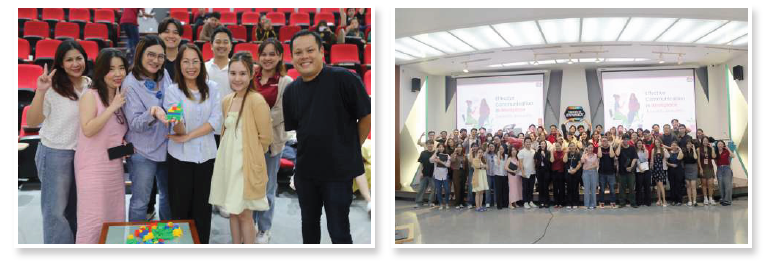
Talent Development & Succession Planning
Preparing personnel for future leadership roles through systematic leadership development programs and succession planning, including the development of High-Potential Employees, to ensure management continuity and support the long-term strategic drive of the organization.
Compliance & Safety
Organizing training on relevant legal requirements and standards, such as workplace safety and the Personal Data Protection Act (PDPA), to enable employees to perform their duties correctly and in compliance with regulations.
External Training & Partnerships
Promoting learning through collaboration with external organizations and institutions, including training, seminars, and workshops, to broaden perspectives and enhance up-to-date knowledge.
Employee Training and Potential Development Programs.
Employee Orientation.
The company organizes an orientation program for new employees to foster understanding of the business, organizational structure, vision, mission, corporate values, and business ethics (Code of Conduct), as well as legal benefits. Additionally, it enhances knowledge of workplace safety according to ISO 14001 standards, guidelines for social, environmental, and governance operations, compliance with PDPA laws, and instills the TRUST organizational culture through practical activities, enabling employees to apply this knowledge in their work and contribute to building a sustainable organization.
Training in products and services.
To support the goal of becoming a leader in the country's IT Ecosystem, the company emphasizes the development of product and service knowledge, especially for Front Office employees, to ensure a comprehensive and up-to-date understanding of products, technologies, and new innovations from partners. This enables them to design solutions, responsibly support sales and marketing, and create maximum satisfaction for partners and customers at every stage of the supply chain.
Training in Occupational Health and Safety Courses.
The company encourages all employees to participate in building a safety culture through both theoretical and practical training. Supervisors at all levels serve as leaders and role models in strictly adhering to established safety measures.
Development of Skills to Enhance Other Potentials.
The company supports comprehensive skill development, such as Performance Gap reduction courses following annual evaluations, by allowing employees to choose learning paths based on their interests and career growth goals. Various courses are carefully selected to align with current and future essential skills, aiming to enhance potential, accommodate changes, and continuously improve operational efficiency.
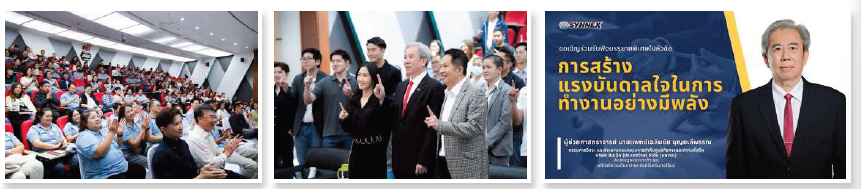
Care and Promotion of Safety, Occupational Health, and Work Environment.
The company has systematically established policies and plans for safety, occupational health, and the working environment. It has also appointed a Safety, Occupational Health, and Work Environment Committee as required by law, to supervise, oversee, and drive safety measures in compliance with legal requirements and relevant standards. Regular meetings and follow-ups are conducted to foster a safety culture and strive towards the goal of becoming a Zero Accident Organization.
Promotion and Development of Knowledge in Safety, Occupational Health, and Work Environment.
Establishing a Safety, Occupational Health, and Work Environment Committee to drive operations in safety, occupational health, and work environment, aiming to prevent hazards, accidents, and work-related diseases.
Developing policies for safety, occupational health, and the working environment, as well as the rights and duties of employers and employees in the workplace, as prescribed by law. These are disclosed on the company's internal website and posted on notice boards for all employees to clearly see.
Raising awareness and understanding of safety by providing training to all new employees, and disseminating news and knowledge about safety through all organizational communication channels.
Organizing safety training courses according to ISO 14001 standards, including:
The "Workplace Safety for New Employees" course aims to instill safety awareness from the start of employment, and the "Workplace Safety Refresher for General Employees" course reviews knowledge and consistently reinforces correct practices.
The "Safe Forklift Operation" course for relevant employees provides both theoretical and practical knowledge, enabling them to use equipment correctly and reduce the risk of accidents.
Courses for "Safety Officer at Management Level "Safety Officer at Supervisory Level " and "Workplace Safety Committee" are conducted by instructors authorized by the Department of Labor Protection and Welfare. The content covers legal requirements, both theoretical and practical, to enable participants to apply their knowledge effectively in supervising, overseeing, and promoting safety within their departments.
Occupational disease courses to make employees aware of work-related health risks, including appropriate prevention and self-care guidelines.
Basic firefighting and fire evacuation drill courses are provided to at least 40% of all employees annually, once a year. Emergency response plans are also developed and reviewed to ensure readiness in handling incidents that may affect business operational safety and to effectively reduce loss of life and property from fires or other emergencies.
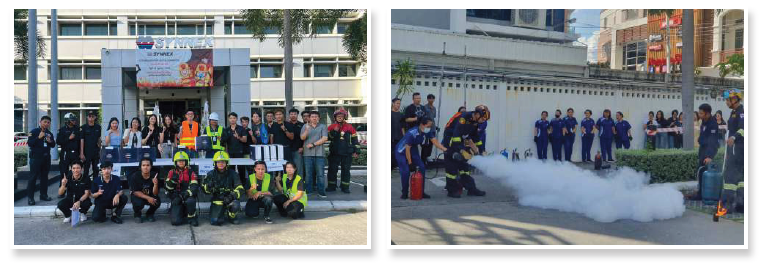
Organizing 5S activities to continuously ensure cleanliness and safety, making the workplace clean and safe for good employee hygiene, and promoting a positive corporate image.
Organizing "Knowledge Talk" activities to remind and inform employees about various news, making them aware of and prioritize "Workplace Safety."
Annual environmental quality measurements are conducted, including heat measurement in working areas, light intensity measurement in working areas, noise level and general sound level measurement, chemical concentration in the working atmosphere, general air quality measurement, measurement of pollutants discharged from stacks, and wastewater quality measurement before discharge outside the building.
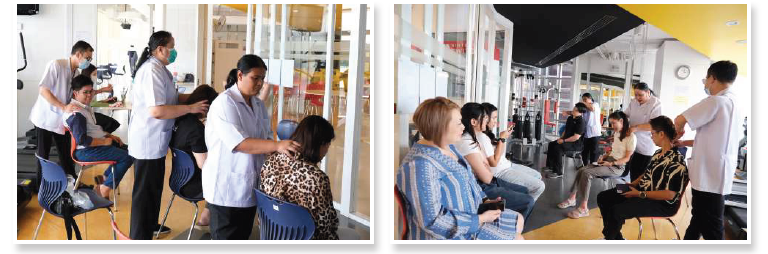
Employee Health and Safety Care.
Providing infirmary services and annual health check-ups for all employees.
Providing lactation rooms and breast pumping facilities for employees.
Providing massage services for the prevention and relief of office syndrome by visually impaired individuals from the Foundation for the Promotion of Education and Quality of Life for the Blind.
Results of Employee Safety, Occupational Health, and Work Environment Care and Promotion.
Target | Performance Results 2025 |
Zero accidents. | Number of Lost Time Accidents (LTA) among employees and contractors is 0 |
Total Recordable Injury Rate (TRIR) (number of people per 200,000 working hours) for employees and contractors is 0 | |
The rate of illness and work-related diseases among employees is 0 |
Employee Engagement Initiatives.
The company emphasizes creating an open, transparent, and conducive work environment for two-way communication between management and employees through various channels, such as team meetings, executive meetings, monthly meetings, and Town Hall meetings, to convey business directions, gather feedback, and provide opportunities for employees to creatively exchange perspectives. Additionally, the company implements the Happy Workplace approach by promoting employee participation in various activities that foster engagement and good relationships within the organization.
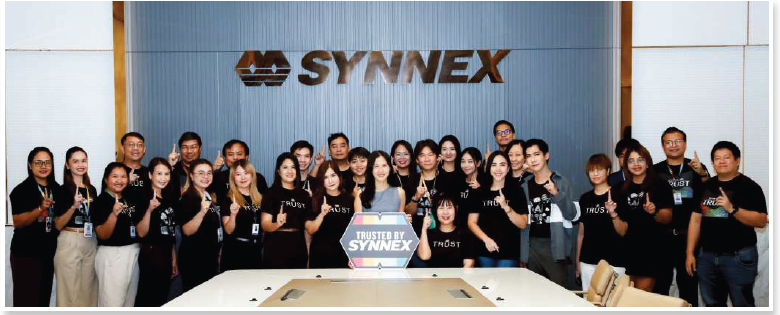
The company has established a Welfare Committee in the workplace, or TRUST Team, to represent employees in coordinating and negotiating welfare benefits according to the Labor Protection Act. It also drives activities aligned with the TRUST organizational values to foster good relationships between the organization and employees. Furthermore, it serves as an important platform for developing leadership skills, teamwork, and integrating knowledge from various departments through processes of thinking, analyzing, and conducting activities responsibly towards the organization and society, as follows:
In 2025, key activities were implemented as follows:
CSR DAY 9th Synnex "Market of Sharing Kindness, Filling Hearts for Society".
The event was held in a fun and warm atmosphere, providing an opportunity for employees to participate in setting up stalls and supporting social activities. Over 150,000 baht was raised for public benefit activities, creating smiles and positive impressions for both givers and receivers.
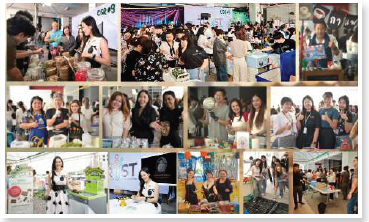
Quarterly Blood Donation Activities.
The company, in collaboration with mobile blood donation units, organizes continuous quarterly blood donation activities to promote public spirit and employee participation in helping society.
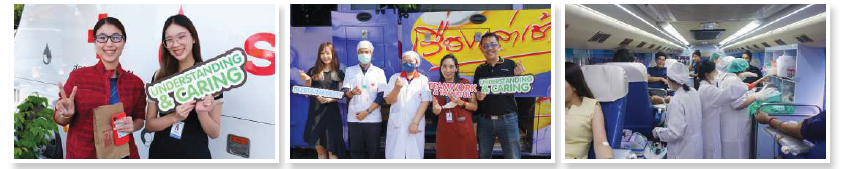
"Sharing Kindness, Helping Flood Victims" Project.
The company donated essential consumer goods to support the recovery of flood victims' quality of life, delivered through the Relief and Public Health Bureau, under the Thai Red Cross Society, to distribute aid comprehensively and systematically to those affected.
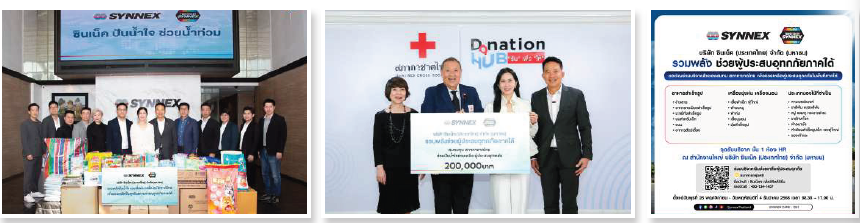
Environmental Campaign Activities.
Implementing activities to promote environmentally friendly behaviors within the organization, such as proper waste separation, water conservation, and fostering awareness of efficient resource utilization, to instill a sense of environmental responsibility in daily life.
Development of Internal Communication Spaces.
Providing diverse spaces and communication channels to enable employees to access information, exchange opinions, and stay updated on organizational developments comprehensively, such as monthly meetings and internal activity news communication areas, to effectively promote awareness, understanding, and cooperation among various departments.
Employee Engagement Assessment.
In 2025, the company adjusted its employee engagement assessment process to be more frequent and continuous, conducting surveys twice a year: a mid-year assessment and an end-of-year assessment, to enable timely monitoring of results, gathering feedback, and utilizing data for prompt improvements.
The survey covers aspects of work-life quality, job satisfaction, and organizational commitment, with a target satisfaction score of no less than 80%. The survey results will be deeply analyzed to develop human resource development plans and continuously improve the work environment to meet employee needs.
Performance Results 2025 (Mid-year) | Performance Results 2025 (End of year) |
80.2% | 83.2% |
Customers — Plan & Guidelines
Has a Customer Management Plan
Yes
Plan Description
Responsibility towards Customers and Consumers
The Company prioritizes customer service, thus regularly conducting customer satisfaction surveys using online surveys via tablets, which can reach customers nationwide. This aims to elevate and improve services to achieve the highest comprehensive customer satisfaction, with a target customer satisfaction score of not less than 80%. The Company is committed to developing customer services to be highly efficient, responsive to needs, and improving service operations in collaboration with relevant stakeholders, while reinforcing its position as Thailand's number one IT Ecosystem leader.
Treatment of Customers
The Company has a policy of treating all customers equally, prioritizing their benefits. It selects quality products at appropriate price levels. In terms of service, it treats customers with care and excellent hospitality to ensure maximum professional satisfaction. The Company continuously raises the standards of pre- and post-sales services to maintain good and sustainable relationships.
Best Practices
• Selecting the best products and services to meet customer needs, including providing useful information for appropriate selection and decision-making. Disclosing complete, accurate, timely, and undistorted information about products and services.
• Providing product and service warranties under appropriate timeframes, and establishing a system for receiving complaints and feedback regarding products and services. The Company will promptly address customer complaints to resolve issues according to procedures, by investigating environmental behaviors, understanding the problem through appropriate, transparent, and fair methods, to ensure customers receive a quick response and to use error experiences to further develop services.
• Strict adherence to various terms and obligations towards customers, seriously maintaining customer trade secrets, and not using customer information for one's own benefit and/or that of related parties.
Plan Document Link
https://www.synnex.co.th/Th/Components/ESG/ConductAndSocialResponsibility
Plan Areas
| Plan Area |
|---|
| Responsible production and services for customers |
| Communication of product and service impacts to customers/consumers |
| Development of customer satisfaction and customer relationship |
| Protection of customer personal information |
Customers — Satisfaction Results
Customer Satisfaction Results
| Metric | Current Year | Previous Year | Two Years Ago |
|---|---|---|---|
| Evaluation results of customer satisfaction | 1 | 1 | 1 |
Customers — Targets
Has Set Customer Targets
Yes
Targets
| Indicator | Target Areas | Target Year | Target Year — Description |
|---|---|---|---|
| Customer satisfaction survey results of not less than 80 percent. | 3009 · Description: Development of customer satisfaction and customer relationship | 2,025 | Customer satisfaction survey results of not less than 80 percent. |
Customers — Performance & Outcomes
Has Performance Results
Yes
Performance Description
|
Performance results for 2025.
|
For continuous service development and customer relationship building, the company has guidelines for developing and improving services based on satisfaction assessment results and additional feedback surveys, as follows:
-
Develop solutions in collaboration with the company's partners.
-
Conduct employee training to meet the needs of the target group.
-
Send personnel for training with partners to further knowledge, develop skills, and build confidence among the target group.
-
Adjust the service format to better suit the needs of the target group.
Community & Social — Plan & Guidelines
Has a Community & Social Plan
Yes
Plan Description
Participatory community and social development
The Company conducts its business based on social and community responsibility, with the objective of mitigating potential negative impacts arising from the Company's operations, while fostering positive relationships through promotion, development, and remediation to bring about positive changes in those societies and communities. This is in alignment with the Company's sustainable development goal, "SYNNEX For A Better Life," and recommendations gathered from stakeholder feedback, leading to job creation, income generation, and opportunities for sustainable societal development.
Plan Document Link
https://www.synnex.co.th/Th/Components/ESG/SocialResponsibility
Plan Areas
| Plan Area |
|---|
| Employment and professional skill development |
| Education |
| Religion and culture |
| Occupational health, safety, health, and quality of life |
| Disadvantaged and vulnerable groups |
| Reducing inequality and promoting social equality |
Community & Social — Targets
Has Set Community & Social Targets
No
Community & Social — Performance & Outcomes
Has Performance Results
Yes
Performance Description
Projects for creating shared value with society and communities
-
Nurturing Technicians, Creating Careers Project
The company has continuously implemented projects to support education and career development in technology. The "Nurturing Technicians, Creating Careers" project, continued from 2023, aims to support educational development for society and communities, and improve the quality of life for Thai youth, in line with the organization's strategy to foster social and economic sustainability under the "SYNNEX For A Better Life" framework. In 2025, the company adjusted the project model from external fieldwork to offering students the opportunity to participate in practical On-the-Job Training within the company, to enhance direct experience in a real work environment, coupled with technical learning from organizational experts. A total of 20 students participated in the project.
This year's operations emphasize learning through real-world experiences within the organization, such as:
-
Practical training in assembling, installing, and inspecting IT equipment
-
Setting up and testing network devices, CCTV cameras, and various peripheral equipment
-
Learning after-sales service processes and repair work standards
-
Enhancing knowledge of proper electronic waste management to promote environmental awareness
-
Developing essential skills for working in an organization, such as communication, teamwork, responsibility, time management, and problem-solving, to effectively prepare for working in a real environment.
|
Evaluation of training outcomes for project participants |
Average score |
|
Knowledge and understanding before practical On-the-Job Training |
87.3 |
|
Knowledge and understanding after practical On-the-Job Training |
92 |
|
Knowledge gained is suitable for practical application in work |
96.3 |
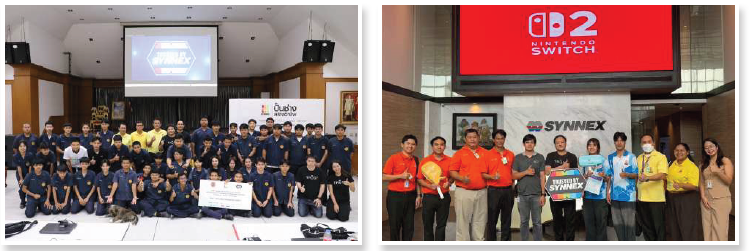
-
Blood donation activities for the mobile blood donation unit of the Thai Red Cross Society
The company aims to promote the good health of its employees while participating in social assistance missions. It has continuously organized blood donation activities with the Thai Red Cross Society for over 14 years, to be part of the private sector's effort to increase blood reserves for emergency patients and those awaiting surgery, ensuring sufficient supply for timely treatment.
The company also prioritizes growth with social and environmental responsibility, instilling a sense of giving and helping others among employees, while providing opportunities for local residents to participate in activities to foster continuous community engagement throughout the year.
In 2025, the company organized blood donation activities quarterly, totaling 4 times, successfully delivering 256 units of blood, an increase of 45 units from 2024. The total blood donation statistics for the period 2024–2025 amounted to 530 units.
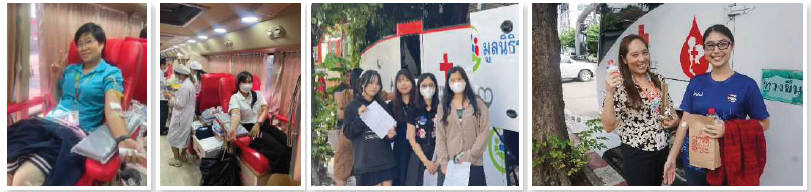
In 2025, the company received a certificate of honor from the Thai Red Cross Society as an organization that continuously supports blood donation, under the concept of "Endless Giving." The cumulative number of blood donation supports totaled over 4,400 units, reflecting its commitment to sustainable social activities.
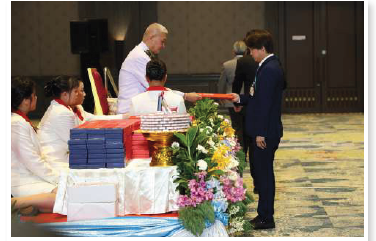
-
Resource Support Project to Assist and Promote a Better Quality of Life for Society
The company has a strategy for business development coupled with creating shared value with society, aiming to improve the quality of life and strengthen communities in all regions through continuous support of resources, knowledge, and organizational capabilities in implementing various projects.
In 2025, the company implemented significant projects, including the "Sharing Kindness to Flood Victims" project, which provided essential consumer goods and donated 200,000 Baht through the Relief and Public Health Bureau, under the Thai Red Cross Society, to comprehensively assist flood victims. Additionally, the 9th CSR DAY event, "Kindness Market, Filling Hearts for Society," raised over 150,000 Baht for public benefit activities. The company also conducted continuous quarterly blood donation drives to increase blood reserves for emergency patients, as well as internal environmental campaigns such as waste separation and resource conservation.
These operations reflect the company's commitment to sustainable growth, coupled with concretely benefiting society and all stakeholders.
Other Social Management
Plan & Outcomes — Description
Sustainability Management in the Corporate Governance and Economic Dimensions
Key Corporate Governance and Economic Performance in 2025
|
Number of complaints from business ethics violations: 0 cases. |
|
|
Number of disputes or cases of customer confidential data breaches, and violations, infringements, or non-compliance with laws related to business operations: 0 cases. |
|
|
100% of key partners have undergone sustainability assessment. |
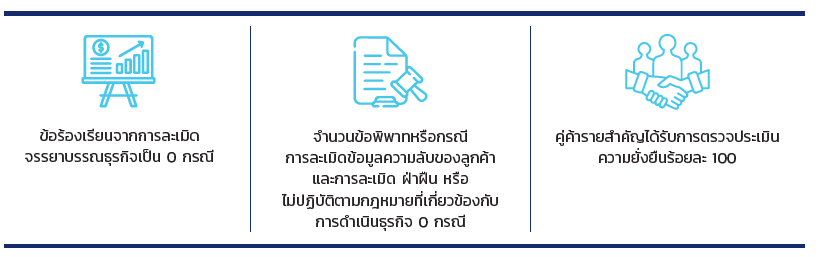
Corporate Governance Policy
The Company recognizes the importance of good corporate governance in conducting business ethically. The Board of Directors and management are committed to transparent and verifiable administration, dedicated to combating corruption, adhering to international and accepted standards, and upholding business virtues and ethics (Code of Conduct) by respecting the rights and responsibilities towards stakeholders correctly and equally. This includes considering social and environmental responsibilities in accordance with the regulations of the Stock Exchange of Thailand and the criteria of the Corporate Governance Report of Thai Listed Companies (CGR) project by the Thai Institute of Directors (IOD). The corporate governance policy has been reviewed to align with the Corporate Governance Code for listed companies 2017, with written corporate governance information defined and disclosed.
|
Corporate Governance Policy www.synnex.co.th |
In 2025, the Company's corporate governance policy and code of conduct were adopted as guidelines for business operations, and training was conducted through online lessons (e-Learning), with 100% of all employees receiving training. This also promoted genuine implementation to build confidence and foster cooperation among various stakeholder groups, as well as the overall environment appropriately. No complaints were found through whistleblowing channels or complaint submissions regarding inappropriate conduct or ethical violations by directors, executives, and employees of the Company and its subsidiaries. There were no disputes with competitors or cases of customer confidential data breaches, and no violations, infringements, or non-compliance with laws related to business operations.
The No. 1 leader in IT Ecosystem, importing and distributing a comprehensive range of IT products and services, ensuring product quality with the symbol.
Treatment of Stakeholders
The Company prioritizes the care and consideration of the rights of both internal and external stakeholders equally, fairly, and transparently, adhering to the principle of creating sustainable mutual benefits. This includes conducting business under the framework of social and environmental responsibility, in accordance with the supply chain management policy and guidelines for treating various stakeholder groups, to promote and establish consistent practices towards stakeholders, fostering a positive organizational culture that builds trust among all parties and ensures stable and sustainable business growth. Key performance results for 2024 are as follows:
Partner Sustainability Assessment
The Company has established a Business Partner Code of Conduct to guide business operations for all stakeholder groups, in line with the Company's Code of Conduct and Supply Chain Management Policy. The Company's partners receive an online sustainability self-assessment (Self-Assessment), with 58 partners achieving excellent assessment results, representing 72%. Additionally, on-site operational assessments of key partners (ESG onsite visit) are conducted based on sustainability risk assessment criteria, to support the Company's partners in conducting business with transparency, treating labor fairly, respecting human rights, complying with laws, safety standards, occupational health, and environmental regulations, towards jointly creating a stable and efficient supply chain that generates value for society and the environment sustainably.
SYNNEX PARTNER CONNECT
The Company's "SYNNEX PARTNER CONNECT 2025" under the concept "CRAFTING A SMARTER FUTURE" brought together partners and dealers to unveil strategic plans, driving growth in the AI-Driven Growth era, while creating new business opportunities in AI, Cloud, Cybersecurity, and Emerging Tech, alongside sustainable growth towards success. This initiative involves over 6,000 partners and distributors nationwide and more than 70 global IT network brands, aiming to present the growth direction of the technology product market and the latest solutions. It also introduces the enhancement of the organization's service innovation with AI Powered Solutions, including the presentation of the 2024 Excellent Dealer Awards, to support and build lasting success for the IT Ecosystem in Thailand.
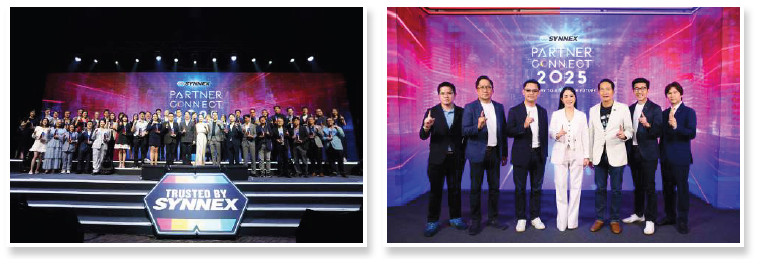
Anti-Corruption and Bribery
The Company regularly assesses potential corruption and bribery risks in its business operations and establishes risk management measures to ensure risks are maintained at an acceptable level. The Risk Management Department continuously monitors and reports risk situations to senior management and the Risk Management Committee. Furthermore, anti-corruption and bribery efforts are communicated through the announcement of policies and guidelines as a business code of conduct for the Company, its subsidiaries, internal stakeholders, and those associated with the Company, encouraging compliance and joint campaigning under the same policy, thereby fostering an understanding of the organization's intent.
Complaint and Whistleblowing Management Policy and Guidelines ( whistle blowing)
In cases where various stakeholder groups observe actions suspected of violating or non-compliance with laws, regulations, or business ethics, and dereliction of duty, such as violations of company regulations or laws, corruption, abuse of power or undue seeking of benefits, negligence of duty, human rights violations, as well as actions affecting society, communities, and the environment, inquiries, tips, or complaints can be submitted with supporting evidence to the Chief Executive Officer or the Internal Audit Director via the following channels:
|
Channel 1: Mail Addressed on the envelope to the Chief Executive Officer or the Internal Audit Director. Synnex (Thailand) Public Company Limited 433 Sukhonthasawat Road, Lat Phrao Sub-district/District Bangkok 10230 |
|
Channel 2: Complaint Box (Red Box) The Chief Executive Officer (CEO) will be the sole key holder to open the complaint box. Fingerprint scan area, 1st Floor, Synnex (Thailand) Public Company Limited – Head Office |
|
Channel 3: Via electronic mail (E-Mail) Internal Audit Department Whistleblowing@Synnex.co.th Management Department ServiceMGMT@synnex.co.th |
|
Channel 4: Website https://www.synnex.co.th/Th/Components/Community/Whistleblowing.aspx |
Law Violation Incidents
Law Violation Incidents
| Metric | Current Year | Previous Year | Two Years Ago |
|---|---|---|---|
| The total number of cases or incidents of significant violations of laws or regulations regarding social and human rights (Cases) | 0 | 0 | 0 |
| The total number of cases or incidents that cause significant labor disputes (Cases) | 0 | 0 | 0 |
| The total number of cases or complaints related to consumer rights violations (Cases) | 0 | 0 | |
| The total number of cases or complaints related to partner rights violations (Cases) | 0 | 0 | |
| The total number of cases or incidents that cause disputes with the community/society (Cases) | 0 | 0 | |
| The total number of cases or incidents related to cyber security or customer data breaches (Cases) | 0 | 0 | |
| The total number of cases or incidents related to safety and occupational health at work (Cases) | 0 | 0 |